Phenol Peel Aftercare: The Complete Do's and Don'ts
Phenol peel aftercare is critical for safe healing. Learn what to avoid: sun exposure, heat, touching skin, and make-up. Protect your results and minimise scarring with proper care guidelines.

Page medically reviewed by Mr Vasu Karri, Medical Director and Plastic Surgeon BSc(Hons), MBBS, MSc, FRCS(Plast).
Phenol peels are among the deepest and most powerful skin peels available, so what you all avoid afterwards has a major impact on how safely and smoothly your skin heals. Direct sun exposure should be avoided for at least two weeks after a peel, and many clinics advise months of strict protection for deeper phenol peels, because the new skin is highly sensitive to UV damage and pigment change. Understanding what to avoid after a phenol peel helps you protect your investment, lower the risk of scarring, and achieve the best possible long-term result.
Key Takeaways
| Common Question | Short Answer |
|---|---|
| What should you avoid immediately after a phenol peel? | Avoid sun, heat, sweating, touching the skin, and using any products not approved by your specialist. |
| How long do you need to avoid sun exposure? | You should avoid direct sun for at least 14 days and then keep using SPF and shade long term; deep phenol peels may need months of extra care. |
| Can you exercise after a phenol peel? | You should avoid strenuous exercise and anything that makes you sweat heavily for at least 24–72 hours. |
| When can you wear make-up again? | Most people need to avoid make-up for 1–2 weeks, depending on healing and your clinician's advice. |
| Is swimming allowed after a phenol peel? | Avoid chlorinated pools and hot tubs for at least the first 48 hours, often longer after a deep peel, to prevent irritation and infection. |
| Do you need specialist aftercare instructions? | Yes. Deep peels like phenol have specific protocols, and you should follow your own clinic's written plan. |
1. Why Aftercare Matters: Understanding What To Avoid After Phenol Peel
A phenol peel creates a controlled deep injury in the skin to stimulate powerful regeneration. Because the peel reaches the deeper dermis, your new skin is fragile, highly sensitive, and slower to recover than after lighter peels.
What you all avoid after a phenol peel is as important as the procedure itself. Ignoring aftercare advice can lead to problems such as infection, scarring, delayed healing, and permanent changes in skin colour, especially in fair but sun-damaged skin commonly treated in the UK.
Mr Karri at Kinvara Private Hospital emphasises strict aftercare because results can last for many years when healing is protected from preventable damage.
2. Sun Exposure: The Number One Thing To Avoid After a Phenol Peel
Sun exposure is one of the most harmful things you all can allow in the early phase after a phenol peel. The peel removes the outer protective layers of the epidermis, leaving the underlying tissue vulnerable to ultraviolet (UV) damage and abnormal pigment production.
After a phenol peel, you should avoid direct sun exposure for at least 14 days and use a broad-spectrum sunscreen with SPF 30+ every day once your clinician confirms it is safe to start. Deep peels can leave you more sensitive to UV for months, so most UK specialists recommend long-term shade, hats, and regular SPF use all year round.
You should also avoid sunbeds and sunlamps completely, as they can cause intense UV exposure and trigger patchy darkening (hyperpigmentation) or lightening (hypopigmentation) of the new skin.
3. Touching, Picking, or Peeling the Skin: Habits That Risk Scarring
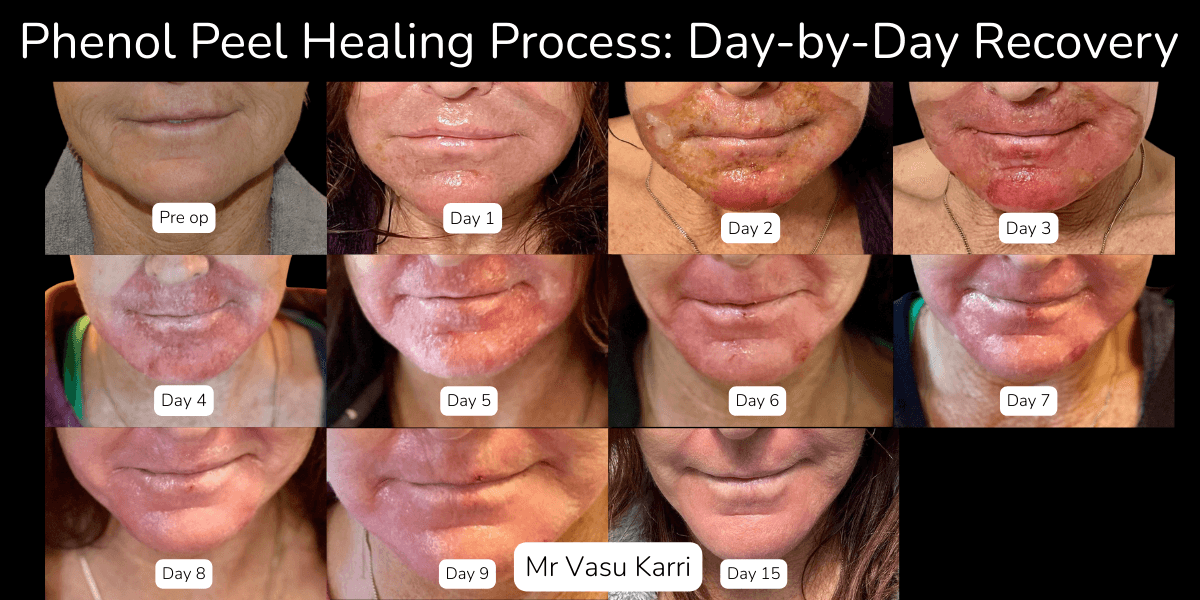
After a phenol peel, your skin goes through stages of redness, tightness, and crusting as the top layers shed and new skin forms. From day 3 to day 7 after the peel, crusts may appear; you should not scratch or pick at them, as this can open the skin and increase the risk of infection or scarring.
You should avoid touching your face unnecessarily, rubbing it with towels, or using flannels and cleansing brushes. The treated area needs to stay undisturbed, apart from the gentle cleansing and aftercare products your practitioner prescribes.
Even if the peeling skin looks dry and tempting to remove, you all should let it shed on its own. Forced peeling can strip away healthy new skin, slow the healing process, and lead to visible marks or texture changes.
4. Heat Exposure: Saunas, Hot Showers, and High Temperatures
Heat dilates blood vessels and increases blood flow to the treated area, which can worsen swelling, redness, and discomfort. You should avoid saunas, steam rooms, hot baths, and very hot showers for at least the first week after a phenol peel, sometimes longer depending on how your skin is healing.
Even holding your face over steaming pots or cooking close to hot ovens can produce localised heat that irritates the delicate new surface. Luke-warm water is best for cleansing in the early days, and many clinicians recommend keeping the room cool and well-ventilated to promote comfortable healing.
5. Strenuous Exercise and Activities That Make You Sweat
Vigorous exercise raises body temperature and causes sweating, which can sting freshly peeled skin and disrupt any ointment or dressing. You should avoid gym sessions, running, heavy lifting, and high-intensity sports for at least 24–72 hours after a phenol peel, often longer if the peel was deep or covered a large area.
Some people wait a full week or two before resuming their normal fitness routine, especially if they have had a full-face peel. Gentle walks are usually fine once any sedation has worn off, but check with your clinician before returning to higher-intensity activities.
6. Chlorinated Water, Swimming Pools, and Salty Seawater
Chlorine in pools and hot tubs can be very irritating to open or healing skin, and both chlorinated and seawater carry bacteria that increase infection risk. You should avoid swimming for at least 48 hours after a phenol peel, with most clinics recommending you wait until the skin has fully re-epithelialised, which may be 1–2 weeks.
Even splashing your face at a sink can feel uncomfortable if you use very cold or very hot tap water in the early days. Once your practitioner confirms it is safe, you can gradually reintroduce normal bathing and swimming, though you should still rinse and moisturise carefully afterwards.
7. Make-up, Shaving, and Facial Treatments: Cosmetic Steps To Put On Hold
Make-up can feel tempting if you all are red and peeling, but it can clog healing pores and may introduce bacteria. Make-up should be avoided for 1–2 weeks after the peel, depending on how quickly your skin recovers and your practitioner's advice.
Shaving the treated area should also be avoided until your clinician confirms it is safe. The friction from blades or electric razors can remove fragile new skin and trigger irritation or small cuts, especially around the mouth and jawline, where phenol peels are often focused.
Other cosmetic procedures on the face, such as waxing, threading, dermaplaning, laser treatments, and even lighter chemical peels, should be postponed for several weeks or months. Your phenol peel provider can advise on safe timings based on your healing and goals.
8. Sleeping Positions and Daily Habits: Physical Pressures To Avoid
In the early days after a phenol peel, pressure on the treated area can be uncomfortable and may disturb dressings or ointments. You should avoid sleeping face-down and try to rest with the head slightly elevated to reduce swelling and prevent the pillow from rubbing your skin.
Using the phone for long periods pressed against the cheek, wearing tight glasses that dig into healing skin on the nose or temples, or pulling jumpers tightly over the face are all habits to minimise. These small mechanical stresses can mark new skin or disturb the barrier.
Many patients find it helpful to use a clean pillowcase each night, avoid pets on the bed, and keep nails short, so unintentional scratching during sleep does not injure the area.
9. Ignoring Discomfort or Signs of Infection: When Not To "Wait and See"
Phenol peels cause expected redness, swelling, and peeling. In the first 3 days after a peel, you may experience tingling, itching, or redness as part of normal healing. That said, some symptoms should not be ignored.
You all should avoid "waiting it out" if you notice increasing pain, spreading redness, oozing, yellow crusts, a sudden flare of blisters, or feeling unwell with a temperature. These can be signs of infection or an abnormal response that needs medical review.
Kinvara Private Hospital schedules follow-ups and provides contact details for urgent concerns. Use these rather than trying to self-treat with over-the-counter creams or antibiotics.
10. Skipping Follow-Ups and Individual Advice: Why Generic Rules Are Not Enough
General guidance on what to avoid after a phenol peel is helpful, but your own peel depth, skin type, and medical history mean that your aftercare should be personalised. Skipping arranged follow-up appointments or not reading your written aftercare sheet can leave gaps in your care.
Mr Karri emphasises that deep peels are "one-off" procedures with a long recovery curve. Monitoring by a doctor experienced in phenol–croton oil peels helps spot any early issues and adjust your routine.
You should also avoid making big changes without checking first, such as starting new medicines that increase sun sensitivity, booking holidays in very hot climates soon after the peel, or changing your skincare brand based on general beauty advice.
11. Long-Term Lifestyle Choices To Avoid: Protecting Your Phenol Peel Results
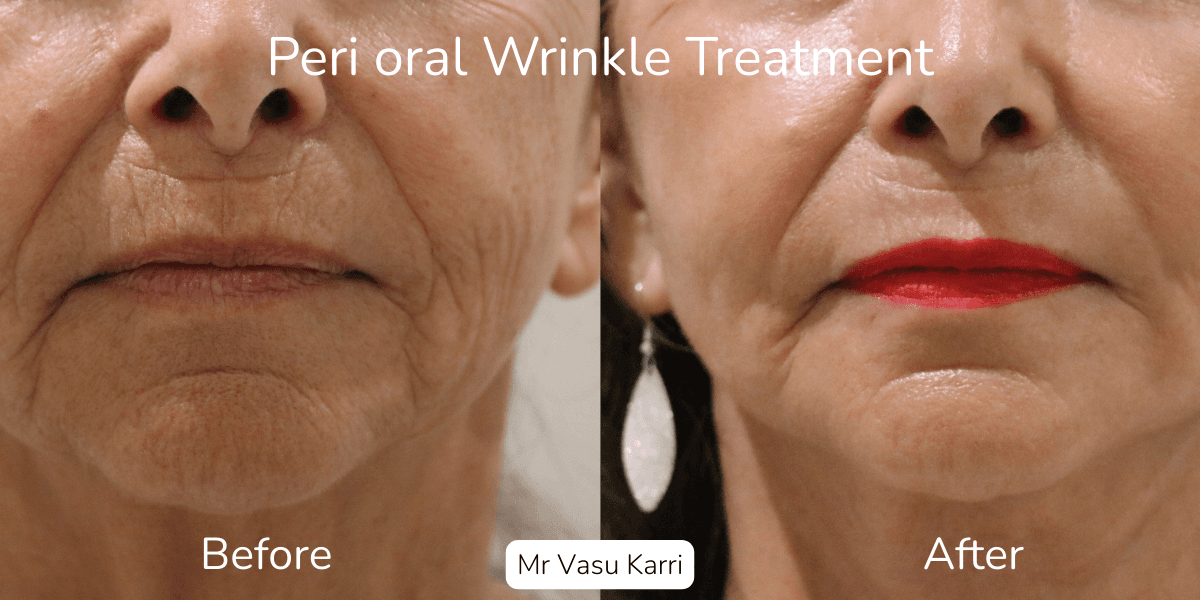
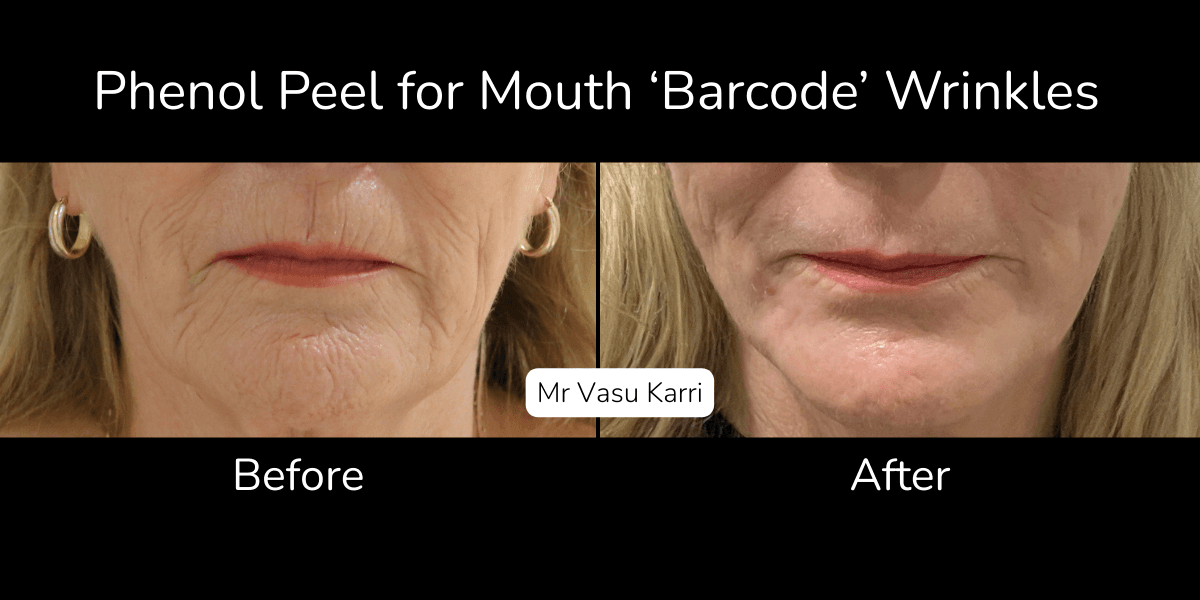
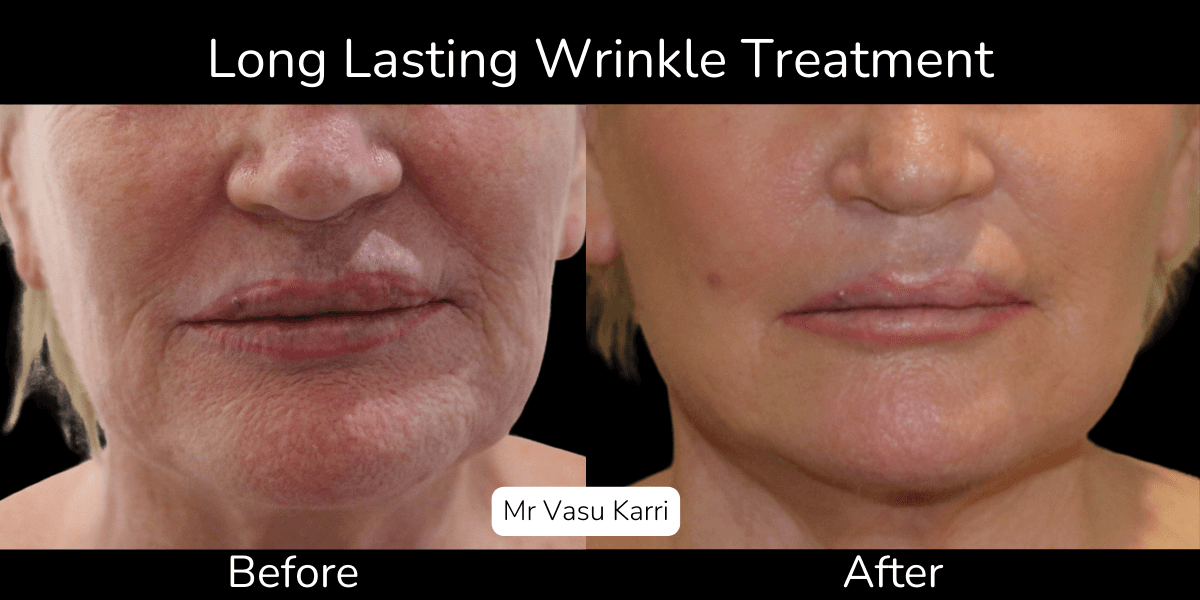
Phenol peels can deliver dramatic, long-lasting improvements in wrinkles, sun damage, and texture, particularly around the mouth and lower face. To keep those results for as long as possible, you all need to avoid slipping back into habits that damaged the skin in the first place.
Excess sun exposure without protection, frequent tanning holidays, smoking, and neglecting basic skincare will all shorten the lifespan of your results. Deep phenol peels can leave you more UV-sensitive for months, so hat use, shade, and daily SPF 30–50 become part of long-term skin health rather than a short project.
Many patients use their phenol peel as a reset point to build healthier routines around sleep, stress management, diet, and alcohol intake, supporting collagen and keeping the new skin brighter and clearer over time.
FAQs: What To Avoid After Phenol Peel
1. How long should you all avoid driving after a phenol peel?
You should avoid driving on the day of the procedure if you have had sedation, strong pain relief, or blurred vision from eye ointments. Many patients feel more comfortable waiting at least 24 hours before driving, but follow the specific advice given by your clinic and anaesthetist.
2. Should you all avoid certain medicines after a phenol peel?
You should avoid starting new over-the-counter anti‑ageing creams or acne treatments without checking with your specialist. Some medicines, such as high-dose vitamin A supplements or certain antibiotics, can increase sun sensitivity, so your clinic may ask you to time these carefully around your peel.
3. Do you need to avoid alcohol after a phenol peel?
Most clinicians suggest limiting or avoiding alcohol for a few days, as it can widen blood vessels, increase facial flushing, and interfere with some pain or sleep medicines. Heavy alcohol intake can also slow wound healing, so moderation is wise while the skin recovers.
4. Can you all go back to work straight away, or should that be avoided?
You should be prepared to take at least 1–2 weeks away from public‑facing work after a deep phenol peel because of redness, swelling, and crusting. Some people who work from home may return earlier, but strenuous jobs or roles with high sun exposure are usually avoided for longer.
5. Should you all avoid flying soon after a phenol peel?
Short flights may be possible once your clinician is happy with your early healing, but you should avoid long‑haul travel in the first couple of weeks if you can. Aeroplane cabins are very dry, and sun exposure through windows plus limited access to your usual aftercare routine can make post‑peel care more difficult.
6. Is it necessary to avoid facial expressions such as big smiles or laughter?
You do not need to avoid normal expression, but very exaggerated movements can feel tight and uncomfortable while the skin is healing and may stress the crusts around the mouth. Many patients naturally limit large expressions for the first week or so until the tightness eases.
7. Should you all avoid wearing masks or face coverings after a phenol peel?
Masks that rub on the treated area, particularly around the nose and cheeks, are best avoided until the skin has re‑epithelialised and is less fragile. If you must wear one, choose a soft, breathable fabric and change it often to keep the area clean and reduce friction.
Conclusion
Knowing what to avoid after a phenol peel helps you all support safe healing and protect the impressive rejuvenation that this deep treatment can achieve. Avoiding sun, heat, friction, harsh products, make‑up, and unnecessary touching gives your new skin the best environment to repair and settle.
Your own clinic's instructions should always come first, as they reflect the exact peel formula, depth, and your individual skin. By following that guidance carefully and being cautious with anything that might irritate or injure the skin, you can reduce the risk of complications and enjoy smoother, fresher, and more even skin for many years.
Mr Karri's phenol peel practice draws patients nationwide, serving patients from major cities and towns across England, Scotland, and Wales:
Bedfordshire | Berkshire | Bristol | Buckinghamshire | Cambridgeshire | Cheshire | Cornwall | County Durham | Cumbria | Derbyshire | Devon | Dorset | East Sussex | Essex | Gloucestershire | London | Manchester | Hampshire | Herefordshire | Hertfordshire | Kent | Lancashire | Leicestershire | Lincolnshire | Merseyside | Norfolk | North Yorkshire | Northamptonshire | Northumberland | Nottinghamshire | Oxfordshire | Shropshire | Somerset | South Yorkshire | Staffordshire | Suffolk | Surrey | Tyne and Wear | Warwickshire | West Midlands | West Sussex | West Yorkshire | Wiltshire | Worcestershire | Birmingham | Leeds | Sheffield | Liverpool | Newcastle | Nottingham