The Phenol Peel Procedure: From Consultation to Final Results
The phenol peel procedure takes 60-90 minutes with careful monitoring. Understand the step-by-step process, safety precautions, anaesthesia options, and complete recovery journey to results.

Page medically reviewed by Mr Vasu Karri, Medical Director and Plastic Surgeon BSc(Hons), MBBS, MSc, FRCS(Plast).
Phenol peels are among the deepest skin resurfacing treatments available, and they can produce dramatic changes in wrinkles, sun damage, and texture. Yet they also carry real medical risks – in one large review of phenol facial peels, around 6.6% of patients developed cardiac arrhythmias during the procedure – so they must be approached with care and expert supervision. If you are in the UK and thinking about a phenol peel procedure, it helps to understand exactly what happens, who is suitable, and what recovery will involve before you commit.
Key Takeaways
| Question | Short Answer |
|---|---|
| What is a phenol peel procedure? | A deep chemical peel using phenol (often with croton oil) that removes the outer layers of skin to treat deep wrinkles, marked sun damage, and some scars. |
| How is a phenol peel different from other peels? | It is far stronger than superficial or medium peels and penetrates into the deeper dermis, which means more dramatic results but also more risk and downtime. |
| Is a phenol peel safe? | It can be safe when carried out by an experienced doctor with monitoring, but there are known risks to the heart, kidneys, and liver, as well as scarring and pigment changes. |
| How much does a phenol peel cost in the UK? | At Kinvara Private Hospital, a full-face phenol peel costs around £3000, with targeted areas such as lower eyelid wrinkles or perioral wrinkles priced at around £650. |
| Who should you see for a phenol peel? | Only a consultant dermatologist, plastic surgeon, or doctor with specific expertise in deep chemical peels. Mr Karri at Kinvara Private Hospital provides specialist phenol peel procedures. |
| Where can you learn more? | Consult with Mr Karri at Kinvara Private Hospital for detailed information about phenol peel procedures and whether they are suitable for you. |
1. What Is a Phenol Peel Procedure?
A phenol peel procedure is a type of deep chemical peel that uses a solution containing phenol (carbolic acid) to remove the outer and mid-layers of the skin. Modern formulas often include croton oil as the main peeling agent, with phenol acting as the carrier and anaesthetic.
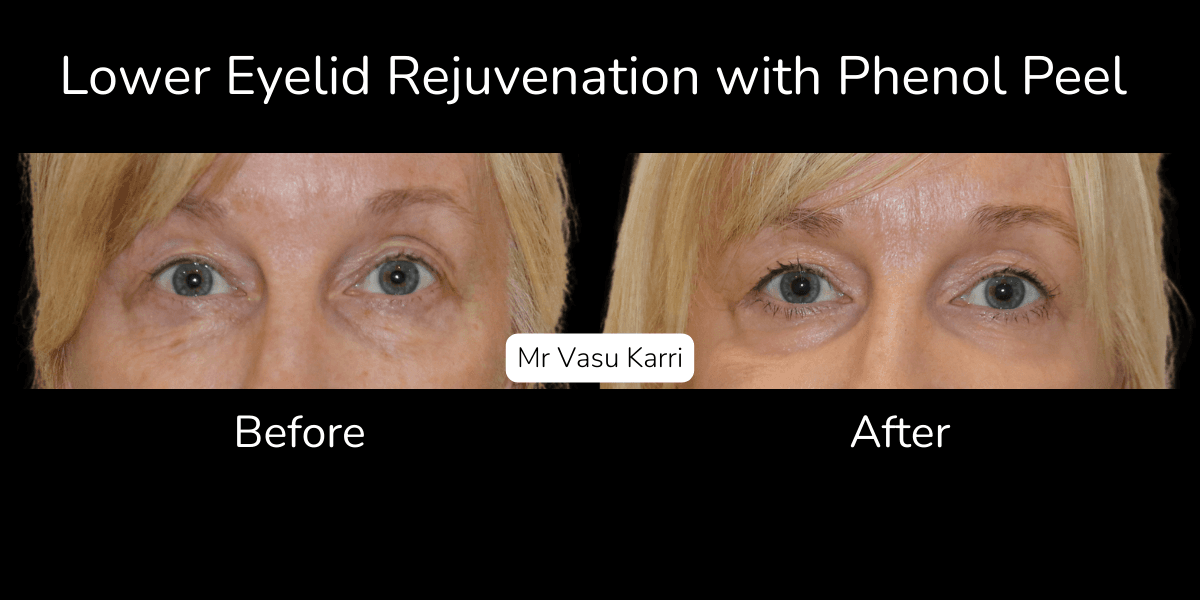
This level of peel can reach the upper to mid-reticular dermis, which is much deeper than glycolic or trichloroacetic acid (TCA) medium peels. Because of this depth, phenol peels are typically reserved for severe sun damage, deep wrinkles around the mouth and eyes, and some types of scarring where other treatments have limited effect.
2. Who Is (and Is Not) a Good Candidate for a Phenol Peel?
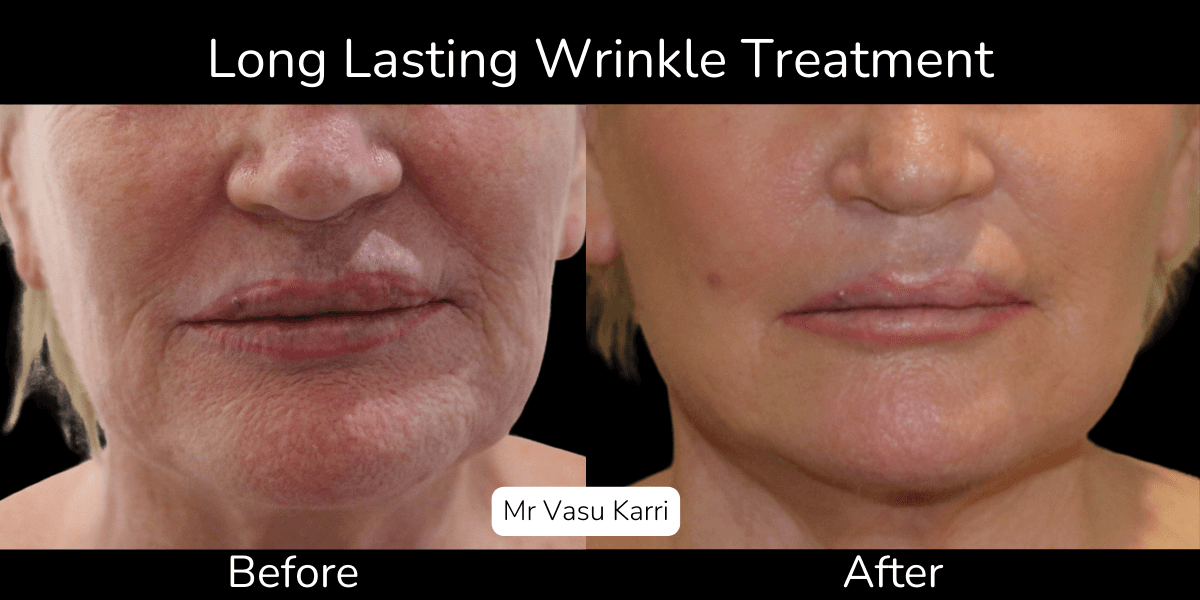
Phenol peel procedures are usually considered for those with fair to light-medium skin tones (often Fitzpatrick types I–III) who have deep facial wrinkles, leathery sun damage, or long-standing acne scarring. The peel can significantly smooth etched lines around the mouth and eyes that are difficult to treat with milder peels alone.
They are generally not recommended for darker skin tones (Fitzpatrick IV–VI), as deep peels carry a high risk of post-inflammatory hyperpigmentation and scarring. People with a history of heart disease, liver or kidney problems, or who cannot avoid sun exposure for months after treatment, are also usually advised against a phenol peel.
3. How the Phenol Peel Procedure Works Step by Step
Before a phenol peel, many specialists ask patients to prepare their skin for 4–6 weeks with prescription creams such as tretinoin and hydroquinone to regulate pigment cells and improve healing. You may also start antiviral tablets if there is any history of cold sores, as resurfacing can trigger an outbreak.
On the day of the procedure, the skin is thoroughly degreased with a solvent such as acetone so the peel penetrates evenly. Local anaesthetic nerve blocks, sedation, or even general anaesthesia are often used because the peel is painful without numbing. The doctor then applies the phenol–croton oil solution in sections, watching the skin for a white "frost" that indicates the depth reached.
The full-face application is usually carried out over around 60–90 minutes, with close monitoring of heart rhythm, blood pressure, and oxygen levels. Once the endpoint is reached, a thick ointment or occlusive dressing is applied to protect the skin while the top layers gradually separate and new skin forms underneath.
4. What Does a Phenol Peel Actually Feel Like?
During the procedure itself, most people report a burning sensation despite local anaesthetic and sedation. The skin may feel tight and hot while the solution is on, and there may be a strong chemical smell. Once the peel has been neutralised or completed, the discomfort usually reduces fairly quickly, though tightness and throbbing can return later as the swelling develops.
After the peel, the first few days can be quite painful. Your face may swell so much that your eyes feel heavy or partly closed, and the skin can ooze clear fluid or blood-tinged serum. Many patients are prescribed strong painkillers to use at home, and cool compresses can help with swelling. By day 5–7, the pain usually eases, and the main sensation becomes itching and tightness as the crusts dry and begin to peel away.
5. How Long Does the Phenol Peel Procedure Take?
A full-face phenol peel typically takes 60–90 minutes from start to finish, depending on whether any areas are treated more deeply than others. Smaller, targeted phenol peels (such as around the mouth or eyes only) may be quicker, often around 30–60 minutes.
Setting up the patient with IV access, sedation, and monitoring equipment can add another 15–30 minutes before the peel starts. After the peel is finished, you will usually be observed for a further period to ensure your vital signs are stable and you are safe to go home, which might take an additional 30–60 minutes.
6. Potential Risks and Side Effects of a Phenol Peel
Phenol peels carry more serious risks than lighter peels because of both the depth of skin injury and the systemic effects of phenol absorption. Cardiac risks are the main concern; a large review showed that around 6.6% of patients treated with full-face phenol peels developed cardiac arrhythmias, most of which were benign but required monitoring and, in some cases, intervention.
Phenol is also filtered through the kidneys and metabolised in the liver, so pre-existing problems with these organs can be made worse. Because of this, thorough pre-procedure screening is essential to identify anyone who might be at higher risk.
Locally on the skin, the main risks are scarring, infection, prolonged redness, and pigment changes. Hypopigmentation (light patches) across peeled areas can be permanent, especially in darker skin or when the peel is taken too deep. Hyperpigmentation (dark patches) can also occur during healing if sun exposure is not carefully controlled or if pigment-suppressing creams are not used as advised.
Source – Complications of Medium Depth and Deep Chemical Peels.
7. What Recovery from a Phenol Peel Procedure Is Really Like
Recovery from a phenol peel is longer and more intense than from superficial or medium-depth peels. The first 7–10 days usually involve oozing, crusting, and tightness while the top layers of skin separate. Pain is often worst in the first 24–48 hours and can be managed with prescribed painkillers and anti-inflammatory tablets.
By about two weeks, most people can return to work, though the skin remains pink or red and may feel sensitive. Redness usually fades to a more normal tone over 4 to 6 weeks, and during this time you will need strict sun avoidance, high-SPF sunscreen, and gentle skin care.
Tip: Many UK practitioners ask patients to avoid direct sun, sunbeds, and self-tan for at least six weeks before and after a deep peel, and sometimes longer if there is a history of pigmentation problems.
8. Safety Measures and Medical Monitoring During a Phenol Peel
Because of the systemic effects of phenol, clinics performing phenol peel procedures usually adopt theatre-style safety precautions. These may include continuous ECG monitoring, pulse oximetry, and blood pressure checks, as well as intravenous fluids such as lactated Ringer's solution to support kidney function and reduce peak phenol levels.
The face is often treated in sections rather than all at once, with gaps between applications to limit the amount of phenol entering the bloodstream at any one time. Many clinicians also avoid treating very large body areas in the same session and leave several years between full-face phenol peels to reduce cumulative risk.
9. Costs of a Phenol Peel Procedure in the UK
Phenol peels sit at the upper end of the chemical peel price range, reflecting the expertise, facilities, and monitoring needed. At Kinvara Private Hospital, a full-face phenol peel costs around £3000, while targeted areas such as lower eyelid wrinkles or wrinkles around the mouth are around £650 each.
Fees can vary based on whether you are paying a consultant dermatologist, plastic surgeon, or cosmetic doctor, and whether the procedure is performed in a hospital or day-surgery setting. Costs may or may not include pre-peel creams, aftercare visits, and dressings, so it is worth asking for a breakdown during your consultation so that you are clear on the overall financial commitment.
10. How to Prepare for a Phenol Peel Procedure in the UK
Preparation usually starts with a detailed consultation where your medical history, medications, allergies, and skin type are assessed. This consultation stresses the importance of discussing any previous keloid scarring, cold sores, or pigment problems before deciding on a deep peel.
Many doctors prescribe a skincare regime weeks before the peel, often including tretinoin, hydroquinone 4%, and sometimes gentle acids to stabilise the epidermis and reduce the risk of blotchy pigmentation afterwards. You will also likely be asked to stop smoking, avoid aspirin and other blood-thinning medicines where safe, and organise time off work and help at home for the first few days of recovery.
11. Phenol Peel Procedure FAQs
The following questions focus on points that people in the UK often raise about phenol peel procedures, beyond the basics already covered.
1. How long do the results of a phenol peel typically last?
Results can last many years, especially for deep wrinkles and severe sun damage, as the peel removes damaged layers and triggers new collagen. Ageing does continue, but many patients feel the treated skin looks younger than untreated areas for a decade or more.
2. Can phenol peels be repeated?
Most experts recommend leaving several years between full-face phenol peels because of cumulative risks to pigmentation and scarring. Some clinicians will only repeat a full phenol peel once in a lifetime, though smaller touch-up peels or lighter treatments may be used later.
3. Is a phenol peel procedure suitable for acne-prone skin?
Phenol peels are not usually used purely for active acne, but they can improve pitted acne scars and uneven texture once breakouts are under control. If you are still getting frequent inflammatory spots, your doctor may first suggest medical acne treatment and milder peels.
4. Can phenol peels be done on areas other than the face?
In theory, phenol can be used on other areas, but the risk of scarring and pigment problems is higher on the neck, chest, and hands. Many practitioners limit phenol to the face and use milder peels or other treatments on the body.
5. What kind of anaesthesia will we need?
For a full-face phenol peel, you will usually have local nerve blocks plus oral or intravenous sedation, and sometimes general anaesthesia depending on the clinic and your health. The aim is for you to be comfortable and still, while the doctor can work carefully and monitor your vital signs.
6. Can phenol peels be combined with other procedures?
Some patients have a phenol peel at the same time as eyelid surgery or a facelift, but combining procedures increases complexity and must be carefully planned. Your surgeon will weigh up the benefits against the higher risk of swelling, infection, and delayed healing.
7. How should you care for your skin long-term after a phenol peel?
Long-term, gentle cleansers, fragrance-free moisturisers, and daily broad-spectrum SPF 30 or higher are key to preserving your results. Many UK dermatologists also encourage ongoing use of topical retinoids (once healed) and pigment-regulating creams if you are prone to uneven tone.
Conclusion
A phenol peel procedure is one of the most powerful cosmetic treatments available for deep facial wrinkles, heavy sun damage, and some types of scarring. It offers results that milder peels and many devices cannot match, but it also carries real medical and cosmetic risks that need serious consideration.
If you are in the UK and thinking about this treatment, you will benefit from a detailed consultation with Mr Karri at Kinvara Private Hospital who regularly performs deep peels. With careful selection, thorough preparation, and committed aftercare, a phenol peel can provide long-lasting improvements – but it should never be undertaken lightly or in non-medical settings.
Mr Karri's phenol peel practice draws patients nationwide, serving patients from major cities and towns across England, Scotland, and Wales:
Bedfordshire | Berkshire | Bristol | Buckinghamshire | Cambridgeshire | Cheshire | Cornwall | County Durham | Cumbria | Derbyshire | Devon | Dorset | East Sussex | Essex | Gloucestershire | London | Manchester | Hampshire | Herefordshire | Hertfordshire | Kent | Lancashire | Leicestershire | Lincolnshire | Merseyside | Norfolk | North Yorkshire | Northamptonshire | Northumberland | Nottinghamshire | Oxfordshire | Shropshire | Somerset | South Yorkshire | Staffordshire | Suffolk | Surrey | Tyne and Wear | Warwickshire | West Midlands | West Sussex | West Yorkshire | Wiltshire | Worcestershire | Birmingham | Leeds | Sheffield | Liverpool | Newcastle | Nottingham