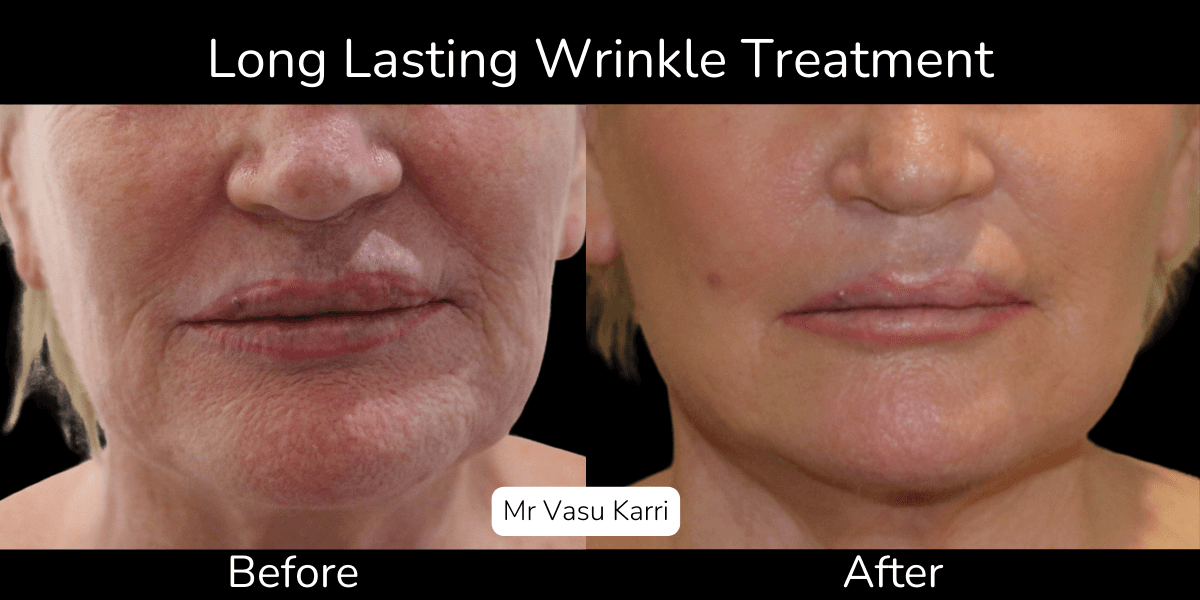
Phenol Peel Aftercare and Long-Term Maintenance
Phenol peel aftercare spans weeks to months. Understand the recovery timeline: 7-10 days downtime, wound care essentials, strict sun protection, and long-term maintenance for preserving results.

Page medically reviewed by Mr Vasu Karri, Medical Director and Plastic Surgeon BSc(Hons), MBBS, MSc, FRCS(Plast).
Phenol peel aftercare is just as important as the procedure itself. Two weeks is the typical recovery time before most people feel ready to return to work after a deep phenol croton oil peel, and how you care for your skin during this period has a major impact on comfort, healing, and long‑term results. If you are planning a phenol peel, or you have recently had one, understanding clear, practical aftercare steps can help you feel more in control of the healing process.
Key Takeaways
| Question | Short Answer |
|---|---|
| How long is recovery after a phenol peel? | Most of you will need around 2–3 weeks before feeling socially comfortable, though redness can last longer. Mr Karri will explain this in detail during consultation. |
| Is phenol peel aftercare painful? | Discomfort is common in the first few days, but prescribed pain relief and gentle skin care usually keep symptoms manageable. |
| Can you wash your face after a phenol peel? | Yes, but only as directed by your practitioner. Cleansing is usually very gentle at first, with no scrubbing or exfoliants. |
| When can you use make‑up again? | Light make‑up is often possible once the surface has healed, but always check with your peel specialist first as timing varies. |
| Why is strict sun protection vital? | Freshly peeled skin is highly sensitive to UV light. Without high‑factor sunscreen and avoidance of direct sun, you risk pigmentation problems. |
| Does aftercare affect your final result? | Yes. Good aftercare helps reduce complications such as infection, scarring, and unwanted pigmentation, and supports smoother, longer‑lasting improvement. |
| Where can you get phenol peels in the UK? | Mr Karri performs phenol peels at Kinvara Private Hospital, Rotherham, South Yorkshire. |
Understanding Phenol Peel Aftercare: Why It Matters So Much
A phenol peel is a deep chemical peel that removes the outer layers of skin and triggers a strong healing response in the deeper layers. This is why it can treat pronounced wrinkles, severe sun damage, and stubborn pigmentation that lighter peels or creams often cannot improve. Because the peel penetrates to the papillary or upper reticular dermis, aftercare must be structured and consistent.
Modern phenol–croton oil formulations allow your specialist to vary the depth of peel according to the area treated and your skin type. Even with these refinements, the peel creates a controlled wound, and you will pass through several healing stages. Good phenol peel aftercare supports each stage: protecting the wound, preventing infection, limiting pigment changes, and helping the new skin mature safely.
Your surgeon or dermatologist will usually start preparing you weeks before the peel, using products such as tretinoin and hydroquinone to stabilise the skin and reduce pigmentation risk. Once the peel is complete, the focus shifts to wound care, swelling control, sun protection, and patient comfort, often with the help of antiviral medicines, pain relief, and sometimes a short course of oral steroid tablets.
What to Expect Immediately After Your Phenol Peel
Right after the peel, your face will usually appear white and "frosted" from the protein coagulation, then quickly turn red and swollen. This reaction is expected and is a sign that the solution has reached the intended depth. At Kinvara Private Hospital, a phenol peel is carried out under local anaesthesia with sedation or a general anaesthetic, so you should wake up comfortable, but you may feel burning or tightness as the anaesthetic wears off.
Your practitioner may apply a specific ointment or occlusive dressing to keep the skin moist and to protect it from the air. This early stage is focused on wound protection and comfort rather than cleansing or moisturising routines that you might be used to. You will usually leave the clinic with written phenol peel aftercare instructions and a contact number in case of concerns during the first 24–48 hours.
Because phenol can be absorbed through the skin, reputable providers monitor your heart rhythm and fluid balance during the peel itself. Once you are home, the main systemic risks have usually passed, but it is still important to follow advice on rest, hydration, and medications such as antivirals and prescribed pain relief.
Day‑by‑Day Phenol Peel Aftercare: First Week
Day 1: You will usually stay at home and rest. Your face will be very swollen and red, with crusting starting to form. Gentle application of prescribed ointments is key, with no attempts to remove crusts. Drinking water, elevating your head, and taking pain relief as advised are the priorities.
Days 2–3: Swelling often peaks, and tightness is most noticeable. The skin starts to feel thick and mask‑like. You might notice some oozing under the crusts, which is part of the healing response. You should avoid any contact with unclean surfaces and keep gently applying the prescribed treatment. Some patients take a prescribed antihistamine to reduce itching.
Days 4–5: The outer layers begin to peel away, revealing pink new skin underneath. This stage can look quite alarming, but it is a sign that re‑epithelialisation is happening. You should not pick or pull at the peeling skin. Continue moisturising and following cleansing advice from your clinic.
Days 6–7: By the end of the first week, much of the crust has usually separated. The new skin is delicate, pink or red, and needs gentle care. You may start to feel more hopeful that the worst phase is over, though vigilance about infection and sun exposure remains essential.
Week Two and Beyond: Gradual Return to Normal Routines
In the second week, most of you will have re‑epithelialised completely. The new skin will still be pink, sensitive, and easily irritated, but the tight, crusted feeling should have eased. You can usually return to work and daily activities during this time, though many choose to use mineral make‑up to even out the redness if your practitioner agrees it is safe.
Redness (erythema) can persist for several weeks or even months, depending on the depth of your peel and your individual healing pattern. Fair‑skinned individuals often experience longer‑lasting erythema. This is managed with gentle skincare, high‑factor sunscreen, and sometimes topical treatments to help the redness settle more quickly.
By four to six weeks, collagen remodelling is underway, and you may start to see the real benefits of your peel: smoother texture, reduction in fine lines, and more even pigmentation. However, your skin is still maturing and needs ongoing protection from sun, wind, and harsh skincare products.
Long‑Term Maintenance After a Phenol Peel
Long‑term maintenance is what allows a phenol peel to deliver results that last for years. Daily sun protection with SPF 50+ is non‑negotiable, as UV damage is the biggest threat to your new skin and can lead to hyperpigmentation or accelerated ageing. Many practitioners recommend a combination of physical (mineral) and chemical sunscreens for broad‑spectrum coverage.
You will usually restart medical‑grade skincare products gradually, often including retinoids (such as tretinoin) to support collagen maintenance, antioxidants like vitamin C serum, and hydrating ingredients such as hyaluronic acid and ceramides. Hydroquinone may be used cyclically if there is a tendency to pigmentation. Your peel provider will give clear guidance on when and how to reintroduce these products.
Avoiding smoking, maintaining a healthy diet, staying well hydrated, and limiting alcohol all support long‑term skin health. Regular follow‑up with your specialist allows early detection of any pigmentation or texture concerns, which are easier to manage if spotted early.
Managing Complications and Knowing When to Seek Help
While serious complications are uncommon in experienced hands, knowing what to watch for is an important part of phenol peel aftercare. Infection is one concern, and signs include increasing pain, spreading redness, yellow or green discharge, fever, or a foul smell. If these develop, urgent contact with your clinic or GP is needed, as antibiotics may be required.
Prolonged redness beyond several months, especially if patchy or worsening, may indicate post‑inflammatory erythema or early scarring. This should be reviewed by your specialist, who might adjust your skincare or suggest treatments such as pulsed dye laser to settle the redness.
Hyperpigmentation (darkening of the skin) is more common in darker skin types or if UV exposure is not strictly controlled. Early intervention with topical agents, careful sun avoidance, and sometimes gentle peels or laser can prevent this from becoming permanent. Hypopigmentation (lightening of the skin) is harder to reverse and underlines why preparation and aftercare are so important.
Comfort, Sleep and Daily Habits During Phenol Peel Aftercare
Comfort measures are a key but often overlooked part of phenol peel aftercare. Sleeping with your head elevated, using cool compresses (if agreed with your practitioner), and taking pain relief as prescribed all help you through the first week. A mild sleep medicine is sometimes offered for a few nights, as the combination of facial tightness and anxiety can disrupt rest.
Eating softer foods and limiting very wide mouth movements can reduce cracking around the lips, especially if the perioral area has been peeled deeply. Many patients like to use straws or small utensils in the early days. Hydration is also important; sipping water regularly supports general healing and can prevent headaches linked to reduced fluid intake.
You should avoid smoking and ideally stop altogether, as it reduces blood flow to the skin and can impair wound healing. Alcohol is usually limited in the early phase, particularly while you are on prescription medicines such as painkillers or steroids.
Follow‑Up Visits and When to Contact Your Clinic
Regular follow‑up is built into good phenol peel aftercare. You can expect early review within the first week and further checks over the next month to assess wound healing, redness, and early results. During these visits, your practitioner may adjust your creams, give guidance on when to restart active skincare, and discuss any concerns you have about appearance or sensitivity.
You should contact your clinic sooner than planned if you notice severe or increasing pain, spreading redness, yellow crusting, or any signs that might suggest infection. Sudden changes in vision, eye pain, or chest discomfort are very rare but would require urgent medical attention. A clear safety plan, agreed before the peel, can help everyone feel more secure.
At Kinvara Private Hospital, patients have direct access to a specialist nurse or doctor during the early recovery period. This can be very reassuring, especially in the first days when your face looks and feels very different from normal.
Costs, Areas Treated and How This Affects Aftercare
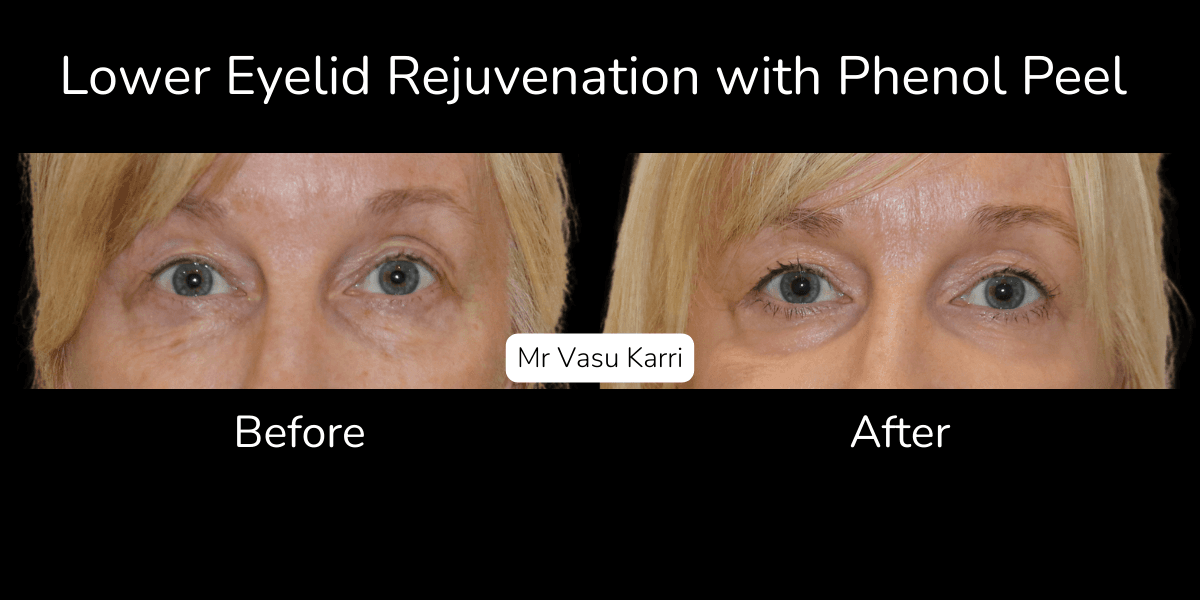
The extent of your peel and the areas treated will influence both your phenol peel aftercare routine and the cost. For example, a focused peel for lower eyelid wrinkles or dark circles at Kinvara Private Hospital is around £650, while treatment for wrinkles around the mouth may also be about £650. A full‑face phenol peel is a more extensive procedure and can cost around £3000, reflecting the longer procedure time and recovery support.
Smaller area peels may heal slightly quicker and involve more localised aftercare, yet they still need the same strict approach to sun protection and moisturising. Full‑face peels often require more time off work, more noticeable swelling, and a longer period before you feel socially comfortable again. In both cases, post‑treatment reviews and access to professional advice are part of what you pay for and should be used fully.
When considering phenol peel treatment, it is sensible to ask what is included in the price. This might cover pre‑peel skincare, antiviral medication, follow‑up appointments, and emergency contact arrangements, all of which influence how supported you feel during recovery.
Frequently Asked Questions About Phenol Peel Aftercare
1. Can you shower normally after a phenol peel?
You will usually be allowed to shower, but you should avoid very hot water and keep strong shampoo or body wash away from your treated face. Pat the skin dry gently with a clean towel and reapply your prescribed ointment or moisturiser straight away.
2. Is it safe to work from home during the first week?
Many of you can work from home if your job is not physically demanding, but you may feel tired, self‑conscious on video calls, and need regular breaks to care for your skin. It is sensible to keep your schedule light for at least the first 7–10 days.
3. When can you start exercising again?
Light walking is usually fine quite early on, but more intense exercise that raises your heart rate and facial flushing is often restricted for 2–3 weeks. Your practitioner will give specific guidance based on your healing and the depth of your peel.
4. Will you need special pillows or bedding?
You do not usually need special equipment, but using extra pillows to keep your head up and covering them with clean, soft cotton pillowcases that you change often is helpful. Avoid sleeping on your face and protect the skin from friction.
5. How long should you avoid hair colouring and facial waxing?
Hair colouring, facial waxing, threading, and strong depilatory creams are generally avoided for at least 4–6 weeks after a phenol peel, sometimes longer. These treatments can irritate the healing skin and trigger pigmentation changes.
6. Can glasses or masks affect healing?
Yes. Anything that presses on the peeled skin, such as tight glasses, mask straps, or helmet straps, can leave marks or slow healing if used too early. Discuss timing and ways to reduce pressure points with your clinician.
7. Are results from a phenol peel permanent?
A phenol peel cannot stop the natural ageing process, but it can provide long‑lasting improvement in wrinkles, texture, and pigmentation. Good aftercare, sun protection, and healthy lifestyle choices help you enjoy the benefits for many years.
Conclusion
Phenol peel aftercare is a structured process that extends from the first hours after your procedure to many months of careful skin protection and maintenance. If you are considering this powerful treatment, it is worth planning for at least two weeks of visible recovery and committing to strict sun avoidance and gentle skincare while your new skin matures.
Working closely with an experienced specialist like Mr Karri at Kinvara Private Hospital, attending follow‑up appointments, and following individual instructions reduce the risk of problems such as infection, scarring, or pigmentation changes. With the right preparation and support, many patients experience significant and long‑lasting improvements in skin quality, making the demanding aftercare period a worthwhile investment in their skin health.
Mr Karri's phenol peel practice draws patients nationwide, serving patients from major cities and towns across England, Scotland, and Wales:
Bedfordshire | Berkshire | Bristol | Buckinghamshire | Cambridgeshire | Cheshire | Cornwall | County Durham | Cumbria | Derbyshire | Devon | Dorset | East Sussex | Essex | Gloucestershire | London | Manchester | Hampshire | Herefordshire | Hertfordshire | Kent | Lancashire | Leicestershire | Lincolnshire | Merseyside | Norfolk | North Yorkshire | Northamptonshire | Northumberland | Nottinghamshire | Oxfordshire | Shropshire | Somerset | South Yorkshire | Staffordshire | Suffolk | Surrey | Tyne and Wear | Warwickshire | West Midlands | West Sussex | West Yorkshire | Wiltshire | Worcestershire | Birmingham | Leeds | Sheffield | Liverpool | Newcastle | Nottingham