How Long Do Phenol Peel Results Last?
Phenol peel results can last many years for some patients. Discover factors affecting longevity, maintenance requirements, and how sun protection preserves your dramatic facial rejuvenation results.

Page medically reviewed by Mr Vasu Karri, Medical Director and Plastic Surgeon BSc(Hons), MBBS, MSc, FRCS(Plast).
Phenol peels are known as one of the longest-lasting facial treatments available, and some reports describe results that can be visible for 15–20 years in the right patients. Modern research is more cautious, but still shows that many of you can expect meaningful improvement to last several years, rather than months. If you are asking "how long does a phenol peel last?" you are really asking about two things: how long the healing takes, and how long the rejuvenation remains noticeable in everyday life.
Table of Contents
Key Takeaways
| Question | Short Answer |
|---|---|
| How long does a phenol peel last on the face? | Deep phenol–croton oil peels can provide visible improvement for many years, with contemporary studies showing an average of around 2 years of strong benefit and longer-lasting collagen changes. |
| How long do phenol peel results last around the eyes and mouth? | Periorbital and peri-oral areas often hold results very well, with studies reporting a median duration of improvement of about 24 months, and classic experience suggesting 5–10+ years in some patients. |
| How long is downtime after a phenol peel? | Most of you should allow 7–10 days off work and social events. |
| How often can you have a phenol peel? | Phenol peels are usually a once-only or very infrequent treatment. Many of you will not need another full-face peel, although some may consider localised repeat peels many years later. |
| What affects how long a phenol peel lasts? | Your skin type, depth of the peel, sun exposure, smoking, age and skincare after the procedure all influence longevity. |
| Is a phenol peel worth it compared with lighter peels? | If you have deep lines, severe sun damage or acne scarring and want long-lasting change from a single procedure, a phenol peel can be more durable than repeated lighter peels. |
| Where can you have long-lasting phenol peels in the UK? | Mr Karri performs phenol peels at Kinvara Private Hospital, Rotherham, South Yorkshire. |
1. What Do We Mean by "How Long Does a Phenol Peel Last"?
When you ask how long a phenol peel lasts, you are usually thinking about how long your skin will look smoother, firmer and less lined. With deep phenol–croton oil peels, the aim is to induce structural changes in the dermis, not just a surface refresh. This means the clock is effectively turned back on certain signs of ageing, not simply paused for a few months.
There are three timeframes to keep in mind: the initial healing period (days to weeks), the visible rejuvenation phase (months to years), and the very long-term ageing trajectory (years to decades). Understanding these phases helps you set realistic expectations and assess whether the downtime and intensity of a phenol peel fit your goals.
2. How a Phenol–Croton Oil Peel Works and Why Results Can Be Long-Lasting
Modern "phenol peels" are usually phenol–croton oil peels. Research by Hetter and others shows that croton oil is actually the critical peeling agent, while phenol acts as a vehicle and contributes to depth and anaesthetic effect. By adjusting croton oil concentration and application technique, practitioners can control how deep the peel reaches in your skin.
Deep peels reach the papillary and upper reticular dermis, which is where collagen and elastic fibres are remodelled. This controlled injury stimulates new collagen production and reorganisation of existing fibres, giving smoother texture, softened lines and more even pigmentation. Because this restructuring is at a deeper level than lighter peels or many topical treatments, the improvement can last far longer.
3. Healing Timeline: How Long Until Skin Looks Presentable?
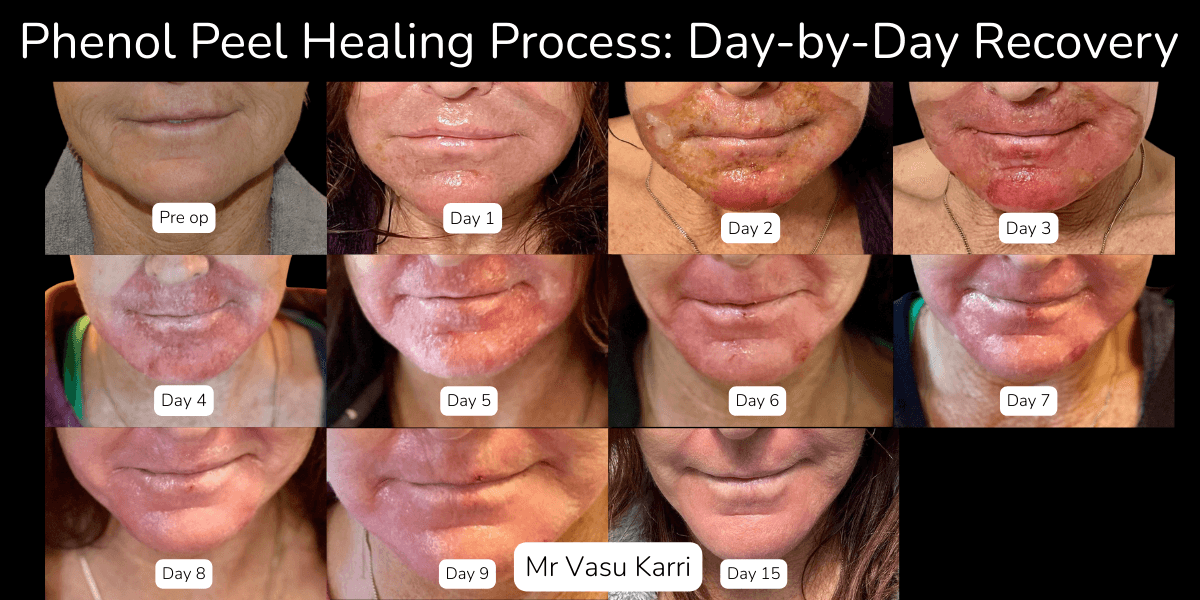
The first part of "how long does a phenol peel last" is short-term: how long before you feel comfortable going back to usual life. Modern phenol–croton oil protocols typically require about 7–10 days of downtime.
During those days, your skin will be red, swollen and crusted as the top layers peel away. Mr Karri will provide structured aftercare, often including antiviral tablets, moisturising ointments and careful cleansing routines. By two weeks, most of you will have re-epithelialised (grown new surface skin), though redness can persist for several weeks and can be concealed with make-up after the peeling process is complete.
4. Short- and Medium-Term: First Months After a Phenol Peel
Over the first 3–6 months, collagen remodelling becomes more apparent. Fine lines smooth out, deeper creases soften, and pigmentation such as age spots and sun damage usually lightens significantly. Many of you describe your skin as looking "thicker", firmer and more luminous during this phase.
Contemporary data on phenol–croton peels for periorbital dark circles reports a median duration of improvement of about 24 months, with some patients seeing benefits much longer. As you pass the first year, results will slowly blend into your natural ageing process, but you remain "ahead" compared with where you would have been without the peel.
Source – Anais Brasileiros de Dermatologia, Phenol in dermatology: updated evidence on efficacy and safety (2025)
5. Long-Term Durability: Years, Not Months
The deeper question is how long a phenol peel lasts in the long run. Histological (microscopic) follow-up of phenol face peels shows that new collagen and altered elastic fibres can still be seen years after treatment. In some studies, follow-up periods ranged from 1.5 to 20 years before any extra facial procedures were done.
Modern durability data for phenol–croton oil peels indicates that benefits often remain visible for several years. One study reported improvement duration ranging from about 1.5 months to 168 months (14 years), underlining how varied the outcome can be between individuals.
Source – Dermatologic Surgery 2023, durability of so‑called deep chemical peeling
6. What Affects How Long a Phenol Peel Lasts for You?
Several factors influence how long your results last. These include your age at the time of treatment, your natural skin thickness and elasticity, the depth and strength of the peel, and lifestyle issues such as smoking and sun exposure. Fairer skin types (Fitzpatrick I–III) are generally considered more suitable for deeper phenol peels, which also affects safety and longevity.
Post-peel behaviour plays a big role. Strict sun protection, non-smoking status, consistent use of skincare where advised, and avoiding frequent, aggressive procedures all help to keep your results looking good for longer. Poor aftercare or frequent sun damage tends to shorten the visible lifespan of your peel.
7. How Long Does a Phenol Peel Last on Different Parts of the Face?
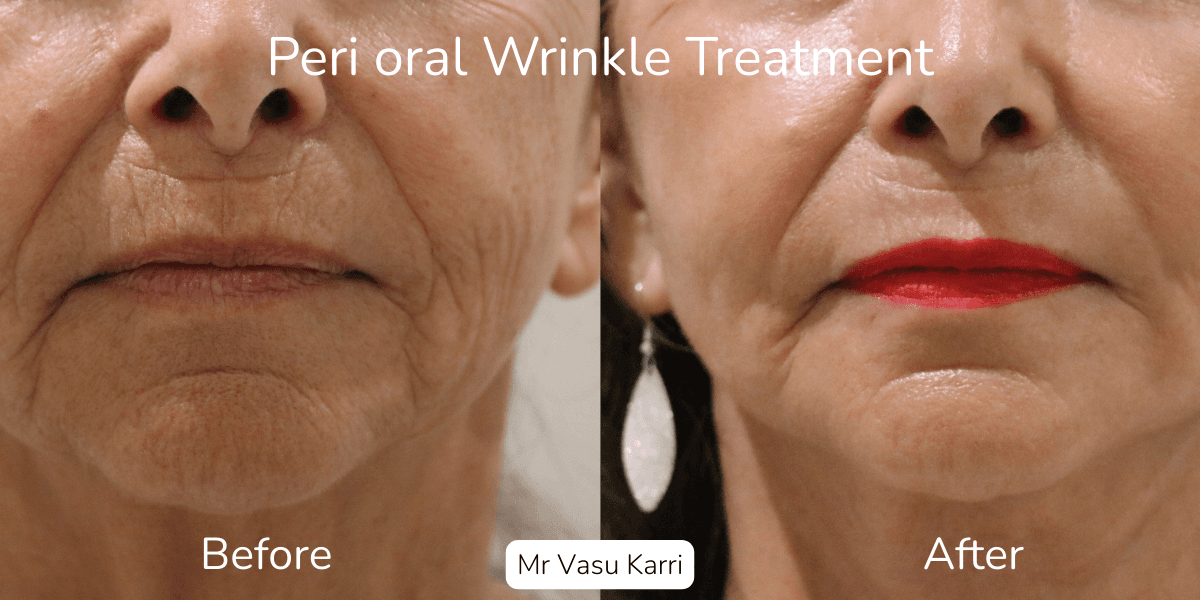
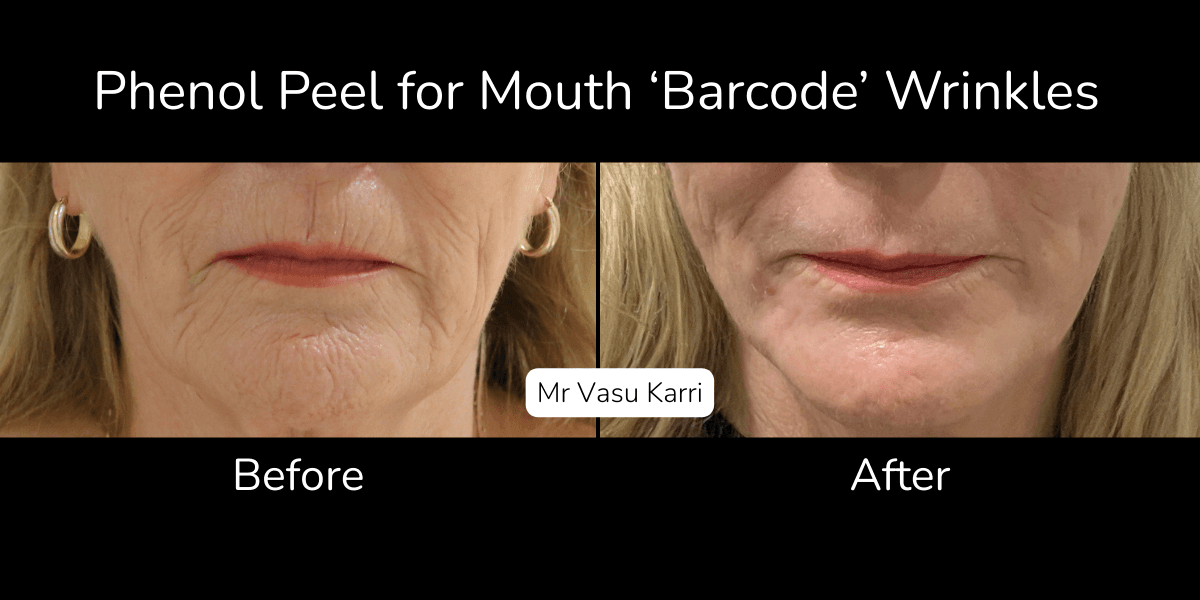
The face does not age evenly, and a phenol peel does not behave identically in every zone. Areas with thicker skin and more movement, such as around the mouth, may show dramatic improvement that remains visible for many years, yet small dynamic lines will gradually reappear due to underlying muscle activity. The perioral region is often treated with stronger croton oil concentrations, because it can tolerate a deeper peel.
The under-eye area (periorbital zone) also responds well to carefully controlled phenol–croton peels. Because the skin here is thinner, lower croton oil concentrations are used, and improvement can be quite striking. However, ongoing facial expression and gradual volume loss in this area mean that some fine lines will return over time, even if the overall texture and pigmentation remain improved.
Source – Journal of Cutaneous and Aesthetic Surgery 2019, periorbital phenol–croton oil peels
Conclusion
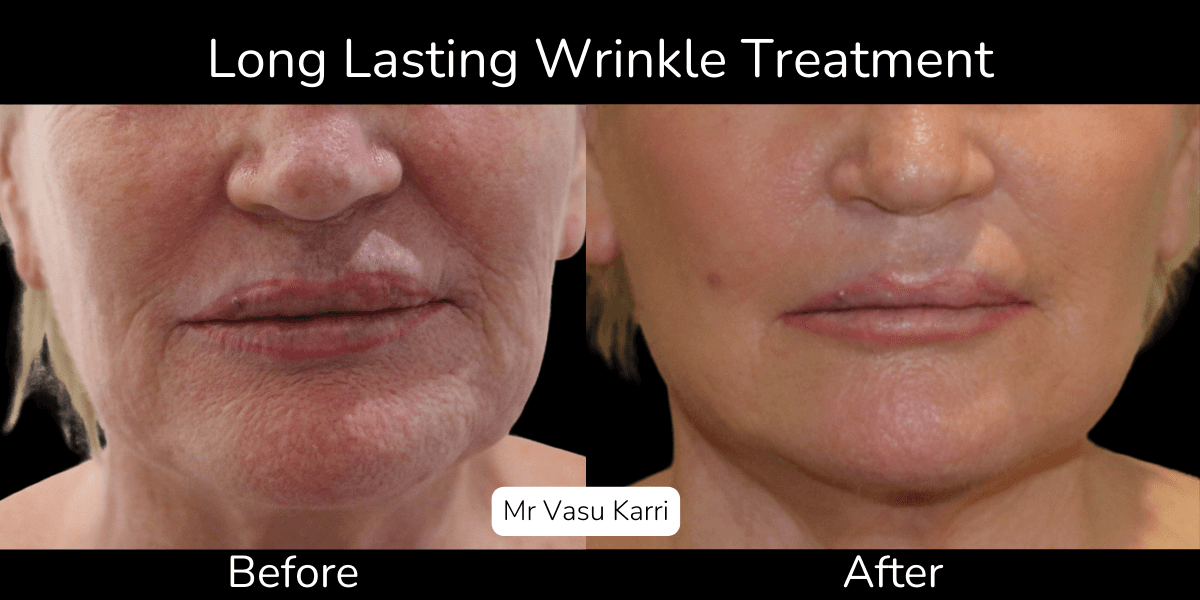
When you ask "how long does a phenol peel last?" the honest answer is: longer than most other non-surgical facial treatments, but not forever. Deep phenol–croton oil peels can provide improvement that lasts several years, with some features (such as smoother texture and reduced deep lines) remaining visible for much longer.
Your results will depend on the skill of your practitioner, the depth and concentration of the peel applied to different facial zones, your skin type and age, and how well you protect and care for your skin afterwards. For many of you, a single phenol peel can deliver changes that lighter peels or topical skincare cannot achieve, making it a powerful option for severe photoageing and deep wrinkles.
If you are considering a phenol peel in the UK, Mr Karri offers consultations at Kinvara Private Hospital, Rotherham, where he can assess your skin, discuss your goals, and help you understand whether a phenol peel is the right long-term solution for you.
Mr Karri's phenol peel practice draws patients nationwide, serving patients from major cities and towns across England, Scotland, and Wales:
Bedfordshire | Berkshire | Bristol | Buckinghamshire | Cambridgeshire | Cheshire | Cornwall | County Durham | Cumbria | Derbyshire | Devon | Dorset | East Sussex | Essex | Gloucestershire | London | Manchester | Hampshire | Herefordshire | Hertfordshire | Kent | Lancashire | Leicestershire | Lincolnshire | Merseyside | Norfolk | North Yorkshire | Northamptonshire | Northumberland | Nottinghamshire | Oxfordshire | Shropshire | Somerset | South Yorkshire | Staffordshire | Suffolk | Surrey | Tyne and Wear | Warwickshire | West Midlands | West Sussex | West Yorkshire | Wiltshire | Worcestershire | Birmingham | Leeds | Sheffield | Liverpool | Newcastle | Nottingham