Best Skincare Products for Phenol Peel Recovery
The right skincare accelerates phenol peel recovery. Discover essential moisturizers like Aquaphor, ceramides, and gentle products that support healing and protect sensitive regenerating skin.

Page medically reviewed by Mr Vasu Karri, Medical Director and Plastic Surgeon BSc(Hons), MBBS, MSc, FRCS(Plast).
A phenol peel is one of the deepest skin treatments available, and most people need at least two full weeks of downtime afterwards. During this time your new skin is extremely fragile, so choosing the best moisturiser after a phenol peel is just as important as the peel itself. Using the wrong cream can delay healing, trigger infection, or cause pigmentation problems, while the right product helps your skin repair smoothly and comfortably.
Key Takeaways
| Question | Short Answer |
|---|---|
| What is the best moisturiser immediately after a phenol peel? | Usually a thick, bland ointment such as petrolatum (for example, plain Vaseline), prescribed or approved by your practitioner. |
| When can you switch from ointment to a lighter moisturiser? | Often after the skin has fully re‑epithelialised (around 5–10 days), but only once your phenol peel specialist confirms it is safe. |
| Which ingredients are best in a moisturiser after phenol peel? | Ceramides, hyaluronic acid and glycerin are helpful for barrier repair and hydration, provided the formulation is fragrance‑free and gentle. |
| Are there ingredients you should avoid? | Yes – avoid acids (AHA/BHA), retinoids, alcohol‑heavy toners, fragrance, and scrubs until your practitioner says your skin is ready. |
| How long will you need intensive moisturising after a phenol peel? | Redness can last for weeks to months, so most patients use rich, gentle moisturisers and strict sun protection for at least 3 months. |
| Who can guide you on the best moisturiser after phenol peel in the UK? | Mr Karri at Kinvara Private Hospital will give personalised product advice for each stage of healing. |
Understanding What Your Skin Needs After a Phenol Peel
After a phenol peel, the outer layer of your skin has been intentionally removed to reach the deeper dermis. This stimulates collagen and can dramatically improve wrinkles, sun damage and scars, but it also leaves your skin temporarily without its normal barrier.
In the first days, your skin's main needs are protection, moisture and infection control. As healing progresses, the focus shifts to calming redness and maintaining barrier strength. At each stage, the best moisturiser after a phenol peel will look and feel different, so you should expect your routine to change over several weeks.
Healing Timeline: When Moisturiser Matters Most
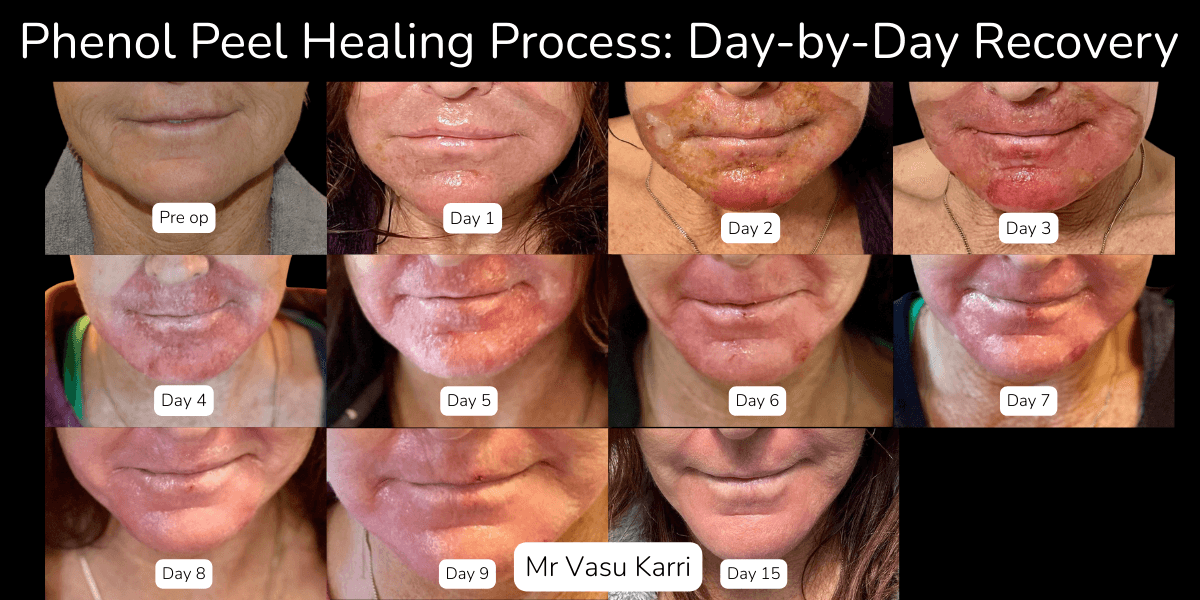
Healing after a phenol peel follows a fairly predictable pattern, but small differences in peel depth and technique mean your experience may vary. Epithelialisation, which is the regrowth of the surface skin layer, usually occurs over about 5–10 days. During this time your face is weeping, crusting and very vulnerable to infection and dryness.
Once the new skin has formed, the surface may feel tight, dry and sensitive for several weeks. Redness can remain for months, which is why a gentle, barrier‑supporting moisturiser is so important. Your practitioner will often review you several times in this period and can adjust your moisturiser as your skin becomes stronger.
Best Moisturiser Immediately After Phenol Peel (Days 0–10)
In the first few days, your practitioner will usually recommend or prescribe a specific ointment or barrier product. Evidence from deep peel studies suggests that occlusion with petrolatum (for example, Vaseline) can be as effective as more complex dressings, while being easier for patients to manage at home. This type of product forms a seal that keeps the wound moist, which supports more efficient healing.
At this stage, the best moisturiser after a phenol peel is one that is bland, fragrance‑free and does not sting. You should avoid putting anything on the skin that has not been approved by your phenol peel specialist, including over‑the‑counter creams, oils or home remedies. The aim is to protect, not to "treat" or exfoliate.
What Ingredients to Look for in a Phenol Peel Moisturiser
Once your practitioner allows you to move beyond plain ointment, the best moisturiser after a phenol peel is usually one that combines hydration and barrier support. Ceramides are lipid molecules that help rebuild the skin's protective layer, and they are often recommended for post‑procedure care. Hyaluronic acid attracts and holds moisture, which can help the skin feel less tight, while glycerin is a simple humectant that draws water into the epidermis.
These ingredients should be in fragrance‑free formulations with no added colours, as both fragrance and dyes can irritate compromised skin. Niacinamide (vitamin B3) is sometimes included in gentle post‑peel moisturisers for its anti‑inflammatory and barrier‑strengthening effects, but this should only be used if approved by your clinician.
What to Avoid: Products That Can Harm Fresh Skin
The best moisturiser after a phenol peel contains no harsh actives. Alpha‑hydroxy acids (AHAs), beta‑hydroxy acids (BHAs) such as saliclic acid, and retinoids (including retinol and prescription tretinoin) are too strong for newly peeled skin and can cause pain, redness and delayed healing. Even gentle exfoliating ingredients such as lactic acid should be avoided until your skin is strong enough, usually at least several weeks.
Alcohol‑based toners and astringents strip moisture and should not be used. Essential oils and botanical extracts, even those marketed as natural or soothing, often cause allergic reactions or irritation during the sensitive healing phase. The best approach is to keep your routine extremely simple and stick to the specific products recommended by your phenol peel provider.
How Often to Apply Moisturiser After a Phenol Peel
In the first phase, ointment or moisturiser is usually applied very frequently – often every few hours – to stop the skin drying out and to soften any crusts. Your practitioner will show you the correct technique, as rubbing or picking can disturb the fragile new surface and raise the risk of scarring.
As healing progresses, most patients move to moisturising two to four times a day, depending on dryness and redness. The best moisturiser after phenol peel is one you can use consistently without stinging or clogging your pores, so you may test a small area first under your practitioner's guidance.
Matching Moisturiser to Each Stage of Recovery
The best moisturiser after a phenol peel changes over time, and it can be useful to think of your recovery in stages. Early on, a heavy ointment or prescribed barrier cream is the priority. As you enter weeks two and three, many patients can move to a rich, ceramide‑based cream that still feels protective but is less greasy.
Later, when redness is improving and your practitioner has allowed more normal activity, you may use a lighter moisturiser during the day and a richer one at night. Throughout all stages, broad‑spectrum sunscreen recommended by your clinician should sit over your moisturiser once the skin can tolerate it, as UV exposure is one of the main triggers for pigment problems after deep peels.
How UK Phenol Peel Specialists Guide Moisturiser Choice
Phenol peels should only be carried out by highly trained practitioners, and part of their role is detailed aftercare planning. Mr Karri at Kinvara Private Hospital provides written instructions and specific brand and product recommendations based on extensive experience with deep peels.
Your practitioner will factor in your skin type, any history of sensitivity, and your medical background. For example, those prone to eczema or rosacea may need even gentler moisturisers than usual, while patients at higher risk of post‑inflammatory hyperpigmentation may be given extra pigment‑controlling creams later in the course, alongside their main moisturiser.
Signs Your Moisturiser Is Not Working for You
The best moisturiser after a phenol peel should make your skin feel more comfortable within a few minutes of application. If a product burns, causes new redness, itching or obvious bumps, you should stop and contact your practitioner. Sudden tightness or increased crusting can also indicate that your moisturiser is not providing enough protection.
While some warmth or mild tingling can be expected early on, persistent pain is not normal and needs review. Your clinician may suggest a short course of a different cream, adjust how often you apply your current product, or rule out infection or contact dermatitis.
Long-Term Moisturising and Protecting Your Results
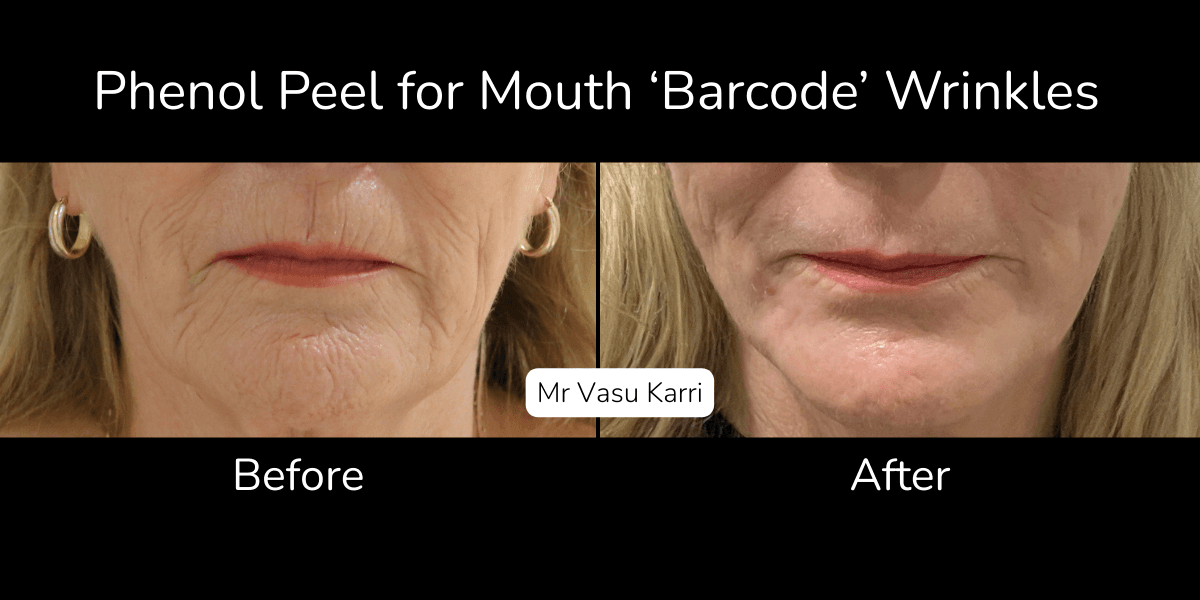
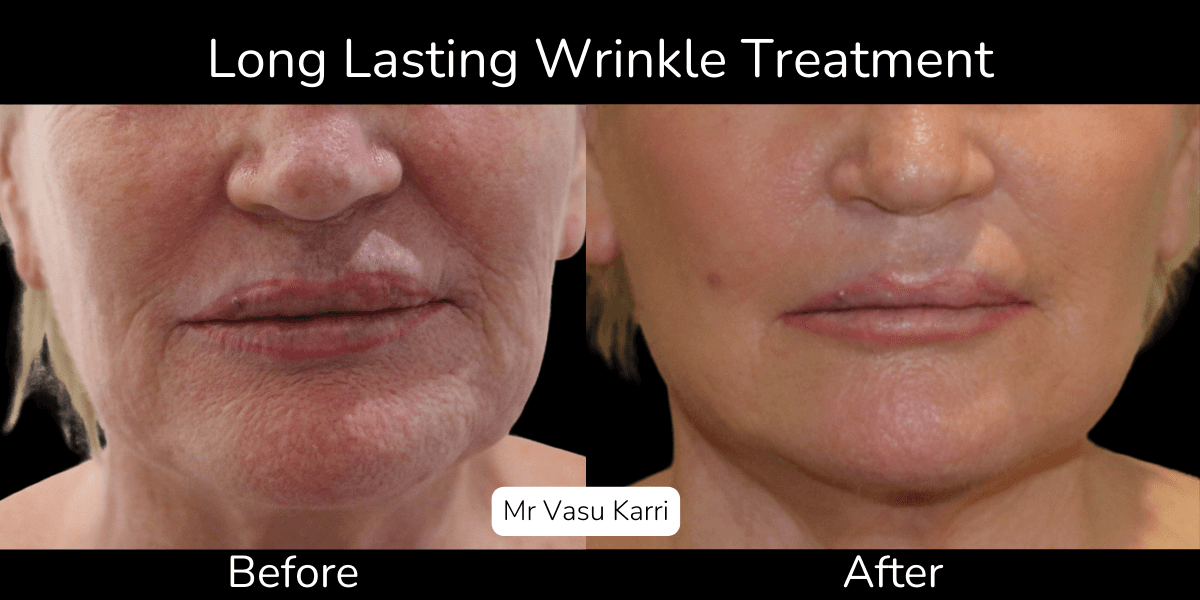
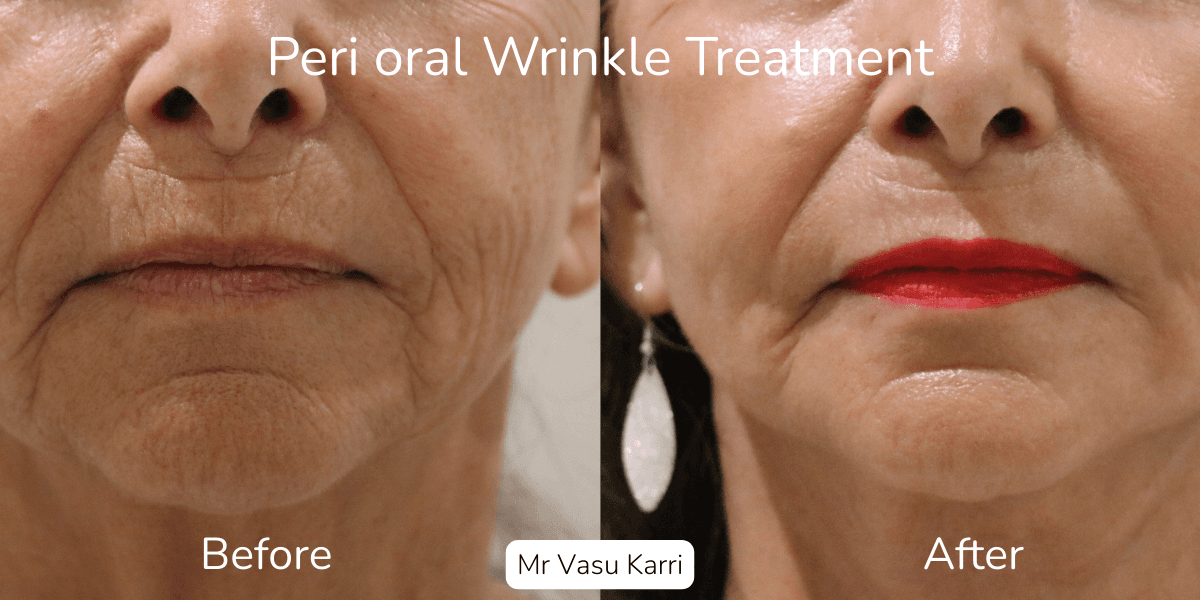
Phenol peels can offer very long‑lasting improvement in wrinkles and texture, often quoted as many years between treatments. Protecting this result means continuing a thoughtful skincare routine well beyond the first few weeks. A gentle, fragrance‑free moisturiser with barrier‑supporting ingredients should remain a daily habit.
As your skin normalises, your practitioner may reintroduce night‑time actives such as prescription tretinoin or pigment‑controlling creams, but these are always built on a base of good moisturisation and strict high‑SPF sun protection. Many UK patients find it useful to attend follow‑up reviews to fine‑tune their routine as their skin evolves after the peel.
Frequently Asked Questions About the Best Moisturiser After Phenol Peel
1. Can you use your usual face cream straight after a phenol peel?
No. Your usual cream may contain fragrance, acids or other actives that are far too strong for freshly peeled skin. You should only use the specific ointment or moisturiser recommended by your phenol peel practitioner until they confirm it is safe to change.
2. Is a thicker moisturiser always better after a phenol peel?
A thick ointment is often best in the first week because it provides strong occlusion. Later on, very heavy products can sometimes clog pores or feel uncomfortable, so your clinician may switch you to a rich but more breathable cream as healing progresses.
3. Do you still need moisturiser if your skin feels oily after the peel?
Yes. Any oiliness is usually from ointments or healing fluid, not natural sebum. The new skin underneath is still healing and needs protection. Your practitioner may adjust the type and frequency of moisturiser, but you should not stop using it without advice.
4. How long should you keep using fragrance-free moisturisers after a phenol peel?
Many patients are advised to stick to fragrance‑free, gentle products for at least three months, sometimes longer, depending on lingering redness and sensitivity. Some people choose to keep these products long term as they are often better tolerated by sensitised skin.
5. Can you apply moisturiser before your prescribed antiviral or other post-peel creams?
Post‑peel prescriptions such as antiviral tablets or topical creams should take priority and be used exactly as directed. Your practitioner will explain the correct order of application; often, medicated creams go on first, followed by your moisturiser, but you should follow your written aftercare plan.
6. Is it safe to use eye cream after a phenol peel?
If your eyelids have been peeled, you should only use the ointment or cream prescribed for that area, as the skin is very thin and sensitive. Standard eye creams, even if mild, may not be appropriate until the area has fully healed and your clinician has cleared them.
7. What should you do if moisturiser stings every time you apply it?
Mild stinging in the very early days can be normal, but ongoing burning or worsening redness should be checked. Contact your phenol peel provider, as you may need a different product or an assessment for irritation or allergy.
Conclusion
The best moisturiser after a phenol peel is not one single product, but a sequence of carefully chosen formulas that match each stage of your healing. In the first days, a bland, occlusive ointment protects the raw surface, while later, richer creams with ceramides and other barrier‑supporting ingredients help maintain hydration and comfort.
Working closely with an experienced phenol peel practitioner like Mr Karri at Kinvara Private Hospital ensures that your moisturiser routine is safe, effective and adjusted to your skin's response. By respecting your aftercare plan and using only approved products, you support smoother healing, reduce the risk of complications, and help your phenol peel results last as long as possible.
Mr Karri's phenol peel practice draws patients nationwide, serving patients from major cities and towns across England, Scotland, and Wales:
Bedfordshire | Berkshire | Bristol | Buckinghamshire | Cambridgeshire | Cheshire | Cornwall | County Durham | Cumbria | Derbyshire | Devon | Dorset | East Sussex | Essex | Gloucestershire | London | Manchester | Hampshire | Herefordshire | Hertfordshire | Kent | Lancashire | Leicestershire | Lincolnshire | Merseyside | Norfolk | North Yorkshire | Northamptonshire | Northumberland | Nottinghamshire | Oxfordshire | Shropshire | Somerset | South Yorkshire | Staffordshire | Suffolk | Surrey | Tyne and Wear | Warwickshire | West Midlands | West Sussex | West Yorkshire | Wiltshire | Worcestershire | Birmingham | Leeds | Sheffield | Liverpool | Newcastle | Nottingham