Questions to Ask During Your Phenol Peel Consultation
Phenol peel consultations require thorough preparation. Ask about safety monitoring, candidacy criteria, recovery timelines, complication rates, and costs to make informed treatment decisions.

Page medically reviewed by Mr Vasu Karri, Medical Director and Plastic Surgeon BSc(Hons), MBBS, MSc, FRCS(Plast).
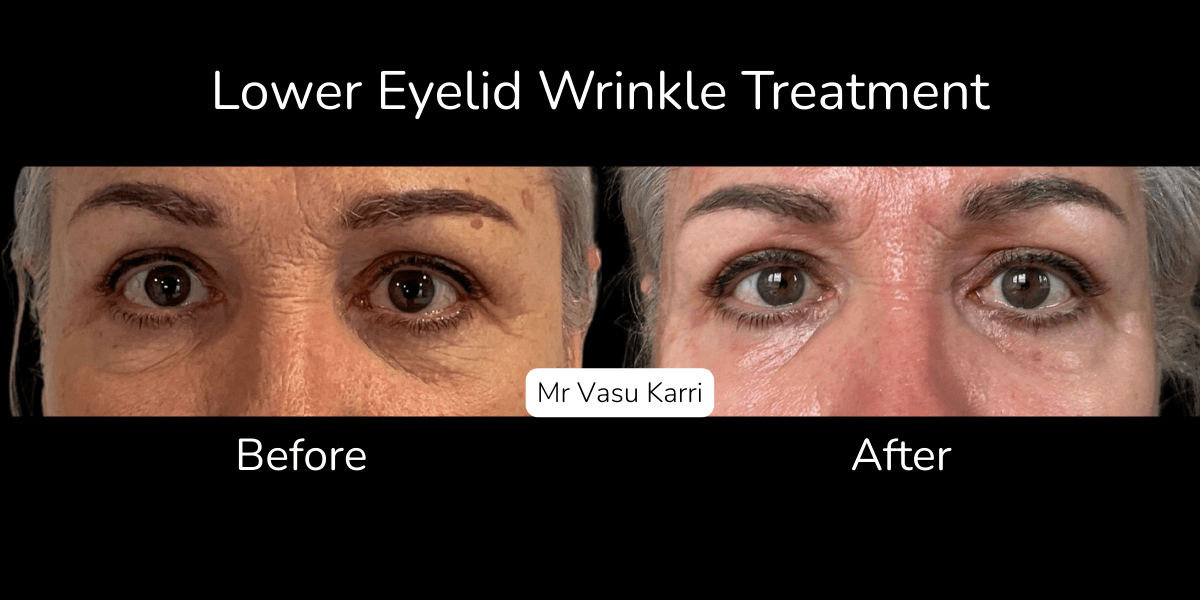
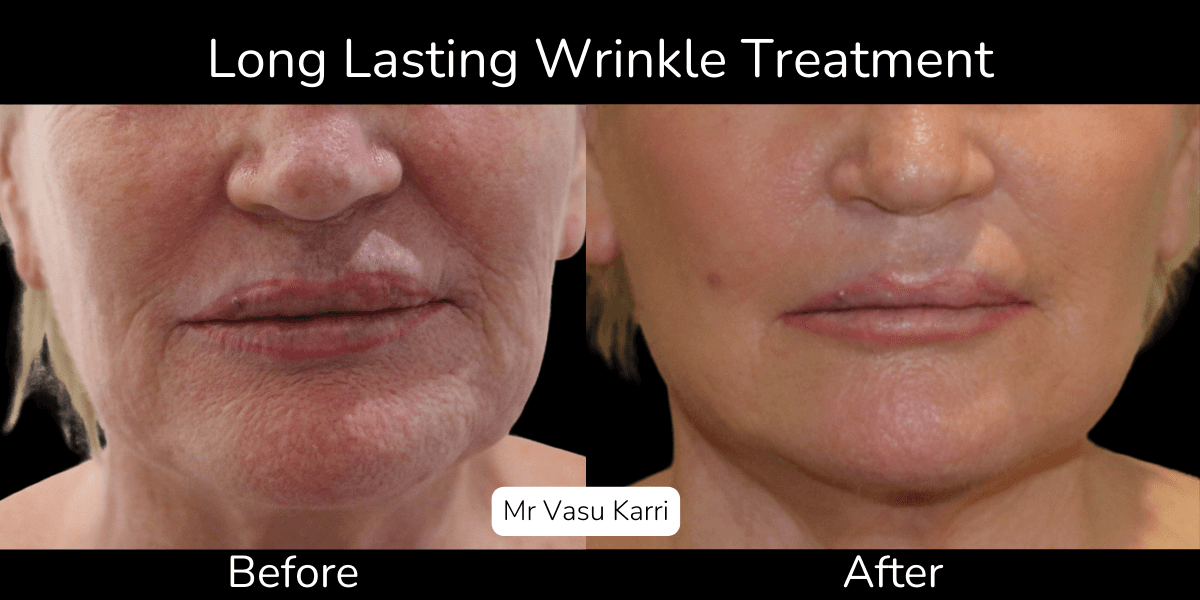
Phenol peels are among the deepest and most powerful facial peels available, and many of you will quite rightly have detailed questions before going ahead. Phenol absorbs into the bloodstream quickly – around 70% can be recovered in urine within 30 minutes – so a careful consultation is vital to discuss safety, suitability, and recovery expectations. Preparing a clear list of phenol peel consultation questions helps you use your appointment well and feel confident about any decision you make.
Key Takeaways
| Question | Short Answer |
|---|---|
| Are we good candidates for a phenol peel? | Best for fair to light-medium skin with deep wrinkles or severe sun damage; your practitioner should assess this in detail during consultation. |
| How intense is downtime and when can we work again? | Most people need around two weeks off work indoors after a deep peel; redness can last for several weeks or even months, so timing is important to discuss. |
| What safety monitoring do you use? | You should ask whether cardiac monitoring is used and how the clinic reduces risks linked to phenol absorption and croton oil strength. |
| Where can we have a specialist phenol peel consultation in the UK? | Mr Karri at Kinvara Private Hospital provides specialist phenol peel consultations with comprehensive assessment. |
| What will our face look like during recovery? | Expect marked redness, swelling and peeling for days to weeks; your consultation should include day‑by‑day photos and written aftercare guidance. |
| How long can results last? | Deep phenol peels can improve wrinkles and texture for many years; many UK providers describe them as a "one‑off" rejuvenation rather than a frequent treatment. |
| Should we consider milder options instead? | Part of your consultation should cover alternatives such as medium-depth peels or lasers if you wish to avoid the intensity of a deep phenol peel. |
1. Why preparing phenol peel consultation questions matters
A phenol or phenol–croton oil peel is very different from a light lunchtime peel. It penetrates into the deeper dermis to rebuild collagen, soften deep wrinkles and treat severe sun damage and pigmentation. Because the peel is powerful and largely irreversible once applied, the consultation stage is not a quick chat – it is a structured medical assessment and planning session.
Coming in with clear phenol peel consultation questions helps you understand how the peel will be adjusted for your skin, what the weeks after treatment will feel like, and what risks apply to you personally. It also gives you a chance to judge whether the provider explains things clearly, uses up‑to‑date methods and follows UK‑appropriate safety standards.
2. Core safety questions to ask about phenol peels
Safety should be the first theme on your list of phenol peel consultation questions. Phenol solutions, especially when combined with croton oil, can cause controlled deep injury to the skin and can also have systemic effects as they are absorbed into the bloodstream. A modern peel should use refined formulations and careful technique to give strong results while keeping risk as low as reasonably possible.
You may wish to ask your practitioner:
- What exact phenol–croton oil formula do you use, and how do you adjust the depth?
- Do you routinely use cardiac monitoring during the procedure?
- How do you manage pain relief and comfort during and after the peel?
- What emergency equipment and protocols are in place if we react unexpectedly?
The consultation is the right time to share any heart, kidney or liver problems, past reactions to anaesthetic, or history of cold sores. You can then ask how these might affect your suitability or the way the peel is carried out.
3. Questions about candidacy, skin type, and expectations
Phenol peels are generally best suited to fair or light‑medium skin types with significant wrinkling, sun damage, or scarring. Darker skin carries a higher risk of permanent pigment change, so many UK clinicians will steer those patients towards alternative treatments. During your consultation, your practitioner should assess your skin closely, including any history of melasma, keloid scarring, or post‑inflammatory pigmentation.
Key candidacy questions to bring include:
- Are our skin types and concerns appropriate for a deep phenol peel?
- Could a lighter peel, fractional laser, or staged treatments achieve enough improvement instead?
- What level of improvement is realistic for our wrinkles, texture and pigmentation?
- Can you show before‑and‑after photos for patients with similar skin tone and concerns?
It is also wise to ask about psychological readiness. Your team may talk through how you usually cope with downtime, visible swelling, and staying indoors, because a phenol peel recovery can be intense for the first couple of weeks.
4. Questions about the procedure itself
Understanding what will happen on the day of treatment is important for many of you, both to feel prepared and to assess whether the approach sounds safe and well organised. Your phenol peel consultation questions should include practical details about procedure length, who will be present, and what equipment is used.
Useful procedure questions include:
- How long does the full‑face phenol peel procedure usually take?
- Will local anaesthetic, sedation or general anaesthetic be used?
- Who else will be in the room during treatment (for example nurse, anaesthetist)?
- Will any monitoring devices be attached before or during the peel?
You may also want to ask whether any photographs are taken on the day, both for medical records and to help you track progress afterwards. Many UK clinicians take standardised before‑and‑after photos to document results objectively.
5. Questions on recovery and aftercare
The recovery period after a phenol peel is often longer and more visible than many of you expect from a cosmetic procedure. Your consultation should give you a clear picture of day‑to‑day healing, so you can plan time off work, arrange help at home, and understand what self‑care is needed.
Recovery questions to ask include:
- How many days should we expect to be indoors and away from the public?
- What will our face look and feel like on day 1, day 5, day 10 and after one month?
- What ointments, cleansers and wound‑care products do we need at home?
- When can we resume work, exercise, swimming and direct sun exposure?
Your provider should give you written aftercare instructions to take away, along with contact details for support if you have worries during healing. Make sure you understand how to recognise signs of infection, delayed healing or abnormal redness.
6. Questions about risks, side effects and complications
Every medical procedure carries risks, and phenol peels are no exception. Your consultation is the time to be blunt and ask your practitioner about complications they have seen and how often they occur. Honest discussion around risk is a sign of a professional, ethical approach.
Key risk questions include:
- What are the most common side effects of a deep phenol peel?
- How often do you see scarring, long‑term pigment changes, or delayed healing?
- Are there specific risks related to my medical history or medications?
- How do you manage complications if they arise?
If your practitioner glosses over risks or makes them sound trivial, it is worth seeking a second opinion. A thorough professional will balance optimism about outcomes with clear information about what can go wrong and what to watch for.
7. Questions about cost, financing and what is included
Phenol peels are at the higher end of cosmetic treatment costs in the UK, and total fees can vary widely. Your consultation should clarify what is covered by the quoted price and what might be charged separately, such as pre‑peel prescription skincare, anaesthesia costs, or aftercare creams.
Cost questions to consider:
- What is the total cost of the phenol peel, and what does that include?
- Are pre‑procedure consultations and follow‑up appointments included in the fee?
- If I need repeat visits for pigment or scar management, are these charged extra?
- Do you offer payment plans or medical finance for larger treatments?
It is also worth asking whether the price quoted is per area (such as lower eyelids or mouth alone) or for a full‑face peel. Clinics may offer zone‑based pricing that lets you target only the areas of concern if a full‑face approach is not needed.
8. Questions about alternative treatments and combination approaches
Part of a good consultation is exploring whether a phenol peel is the only option, or whether less invasive treatments might achieve acceptable results with fewer risks. This conversation helps you understand the spectrum of choices and make an informed decision.
Alternative treatment questions include:
- Would medium‑depth TCA peels or laser resurfacing be enough for our concerns?
- Could we benefit from combining a phenol peel with other procedures like surgery?
- How do you decide when a full‑face peel is needed versus targeted areas only?
- What are the trade‑offs in results, cost and downtime if we choose a lighter option?
A careful practitioner should not push you straight towards the most aggressive option if a gentler approach can achieve your goals. They should explain how different treatments compare and what each offers in terms of depth, longevity and recovery.
9. Questions about long‑term maintenance and lifestyle changes
A phenol peel is often described as a "reset" for severely aged or sun‑damaged skin, but results will not last indefinitely if you do not protect your investment. Your consultation should include clear guidance on sun protection, skincare routines and lifestyle factors that affect how long your results hold.
Long‑term care questions to ask:
- What skincare and sun protection will we need every day after the peel?
- How long do we avoid direct sun, tanning beds, and strong heat?
- Can we use active skincare like retinoids and vitamin C again, and when?
- What lifestyle habits (such as smoking or alcohol) might shorten results?
Many UK specialists also talk about realistic timelines. Phenol peels can soften wrinkles for many years, but skin continues to age. Some patients are happy with one deep peel for life, while others may consider maintenance peels or gentler options later to top up results.
10. Questions to assess your provider's experience and approach
Phenol peels should be carried out by experienced medical professionals with specific training in deep chemical peeling. Your consultation is also a chance to assess the person behind the procedure: how often they perform phenol peels, their complication rates, and how they support you through recovery. Feeling comfortable with their explanations and attitude is just as important as the technical details.
Consider asking:
- How many phenol–croton oil peels do you perform each year?
- What training and experience do you have specifically with deep phenol peels?
- Can we speak to or read feedback from previous phenol peel patients?
- How can we contact you or your team if we are worried during recovery?
Many UK specialists encourage an honest two‑way discussion, and may even suggest that you go away and think about the information before booking, particularly if you have complex medical or skin histories.
11. Sample checklist: 29 phenol peel consultation questions to take with you
To make your appointment easier, here is a concise checklist you can print or save. These questions are drawn from the themes above and keep the focus on what matters most for your safety and results.
- Are we suitable candidates for a deep phenol peel given our skin type and medical history?
- What are the specific concerns you expect this peel to improve for us?
- What exact phenol–croton oil formulation do you use, and how do you control the depth?
- Will the whole face be treated, or only certain areas such as around the mouth and eyes?
- How many phenol peels do you perform each year?
- Where will the procedure take place and what form of anaesthesia or sedation is used?
- Will we be monitored (including heart monitoring) during the peel?
- How long does the procedure usually take for a full face?
- What are the main risks and complications in your experience?
- How often have you seen scarring or permanent pigment changes?
- What is your management plan if complications occur?
- What skin preparation do you recommend in the weeks before the peel?
- Do we need antiviral medication for cold sores, or to stop any regular medicines?
- How many days should we plan to stay indoors and off work?
- How will our face look and feel in the first week, second week and first month?
- What dressings, creams and pain relief will we need at home?
- How often will we be reviewed after the peel?
- When is it safe to return to exercise, swimming and outdoor activities?
- How long should we avoid direct sun exposure and fake tanning products?
- What daily skincare and sun protection will we need long‑term?
- What level of improvement can we realistically expect in a year's time?
- How long do your patients usually enjoy visible benefits from a phenol peel?
- Is it safe or appropriate to repeat the peel in future if needed?
- Could other treatments (such as medium peels or lasers) be enough for our concerns?
- What is the total cost of treatment, and what does that include?
- Are consultations and follow‑up visits included in the fee?
- Can we see before‑and‑after photos of patients similar to us?
- Can we speak to previous patients who have had a phenol peel with you?
- How can we contact you or your team if we are worried during recovery?
Taking this list with you helps ensure your phenol peel consultation questions cover every stage, from preparation to long‑term care.
Conclusion
Phenol peels offer some of the most powerful and long‑lasting improvements in facial ageing, but they also demand serious planning, honest discussion and committed aftercare. Turning up to your appointment with well‑thought‑out phenol peel consultation questions helps you and your practitioner work as a team, weighing benefits against downtime and risk in a clear, structured way.
If you are considering a phenol peel in the UK, use your consultation to clarify safety protocols, preparation steps, realistic outcomes and support during recovery. By the end of that meeting, you should feel that your questions have been answered in full, your individual risk has been assessed, and you have a clear, written plan for every stage of treatment – from first retinoid application to long‑term sun protection.
FAQs about phenol peel consultation questions
1. Should we bring anything specific to a phenol peel consultation?
Yes. Bring a list of current medicines, any allergies, details of past procedures to the face, and photos of your skin in good light. It is also helpful to bring your written list of phenol peel consultation questions so nothing is forgotten.
2. Can we have a phenol peel consultation if we are not yet sure we want treatment?
Absolutely. A consultation is an assessment and discussion, not a commitment to go ahead. Many people use it to compare a phenol peel with gentler options before deciding which route best suits their needs.
3. How long does a typical phenol peel consultation take?
Most thorough consultations last at least 30–45 minutes, and sometimes longer if your medical history is complex. This allows enough time for examination, photography, explanation of the peel, and answering your questions without rushing.
4. Is it useful to bring a family member or friend to the consultation?
Yes, many UK clinicians encourage this, as a support person can help you remember details, ask extra questions, and understand the recovery demands. This can be especially reassuring given the downtime and visible changes in the first weeks.
5. Can our phenol peel consultation be done by video call?
Some clinics may offer an initial video consultation to discuss your concerns and broad suitability. For a deep phenol peel, you will usually still need an in‑person examination before final confirmation, as skin texture, thickness and pigmentation are best judged face to face.
Mr Karri's phenol peel practice draws patients nationwide, serving patients from major cities and towns across England, Scotland, and Wales:
Bedfordshire | Berkshire | Bristol | Buckinghamshire | Cambridgeshire | Cheshire | Cornwall | County Durham | Cumbria | Derbyshire | Devon | Dorset | East Sussex | Essex | Gloucestershire | London | Manchester | Hampshire | Herefordshire | Hertfordshire | Kent | Lancashire | Leicestershire | Lincolnshire | Merseyside | Norfolk | North Yorkshire | Northamptonshire | Northumberland | Nottinghamshire | Oxfordshire | Shropshire | Somerset | South Yorkshire | Staffordshire | Suffolk | Surrey | Tyne and Wear | Warwickshire | West Midlands | West Sussex | West Yorkshire | Wiltshire | Worcestershire | Birmingham | Leeds | Sheffield | Liverpool | Newcastle | Nottingham