Phenol Peel vs. Other Chemical Peels: A Detailed Comparison
Phenol peel vs TCA: different depths and applications. Phenol offers dramatic one-off results for severe aging; TCA provides medium-depth improvement with lower risk and shorter recovery.

Page medically reviewed by Mr Vasu Karri, Medical Director and Plastic Surgeon BSc(Hons), MBBS, MSc, FRCS(Plast).
Deep chemical peels can dramatically change facial skin, especially for severe wrinkles, sun damage, and stubborn pigmentation. Downtime and risks vary a lot between options, so choosing between a phenol peel and a TCA peel affects not just your results but also your recovery, safety profile, and how many sessions you may need. In one trial on melasma, a common pigment condition, medium-strength TCA reduced severity scores by 8.5 points compared with 6.0 points for phenol, showing how differently these peels can perform depending on the concern being treated.
Key Takeaways
| Common Question | Short Answer |
|---|---|
| Phenol peel vs TCA – which is stronger? | Phenol peels are usually the deepest and most aggressive, used for severe wrinkles and sun damage. TCA peels range from light to medium depth and are more commonly used for pigment and texture issues. |
| Which has more downtime, phenol or TCA? | Deep phenol peels often need 10–14+ days of healing, with redness lasting months. Medium-depth TCA peels usually involve 5–7 days of visible peeling and crusting. Source – Dermatology Times clinical summaries on peel depth and downtime |
| Is a phenol peel safer than TCA? | Phenol peels carry higher systemic risks, including potential effects on the heart, so they require strict monitoring. TCA peels have a long safety record in dermatology and are more widely used in UK clinics. |
| Which is better for pigmentation, phenol peel vs TCA? | Evidence suggests TCA often performs better for conditions such as melasma, with stronger pigment reduction scores in several studies. |
| Can phenol and TCA be combined? | Yes. Some professional systems combine phenol-derived components with TCA to achieve medium–deep results under controlled conditions. |
| Are deep peels common in the UK? | Deep phenol peels are less common and usually performed in specialist centres. Medium-depth TCA peels and combination systems are more widely available. |
| Where can you get phenol peels in the UK? | Mr Karri performs phenol peels at Kinvara Private Hospital, Rotherham, South Yorkshire. |
What Is a Phenol Peel and How Does It Differ from TCA?
A phenol peel is a deep chemical peel that uses phenol (carbolic acid), often combined with croton oil, to remove multiple layers of skin. It is usually reserved for severe facial ageing, deep wrinkles around the mouth and eyes, and advanced sun damage that has not responded to lighter treatments.
TCA, or trichloroacetic acid, is used at different strengths for superficial to medium-depth peels. At lower concentrations (for example 10–20%) it targets mild pigment and texture, while at 20–35% it can reach the upper dermis and treat more pronounced lines and pigmentation. Compared with phenol, TCA is more flexible and is used in far more UK clinics.
In the discussion of phenol peel vs TCA, depth is a key difference. Phenol peels are almost always deep; TCA peels are usually light to medium, with some protocols reaching medium–deep. This difference in depth affects how dramatic the results can be, how long recovery takes, and what kind of monitoring is required during the procedure.
How Deep Do Phenol and TCA Peels Go?
Chemical peels are often grouped as superficial, medium, and deep according to how far they penetrate. Phenol peels typically reach the mid to lower dermis, making them the most intense option available in cosmetic dermatology. This allows them to smooth deep wrinkles and tighten lax, photo-damaged skin in a way lighter peels cannot match.
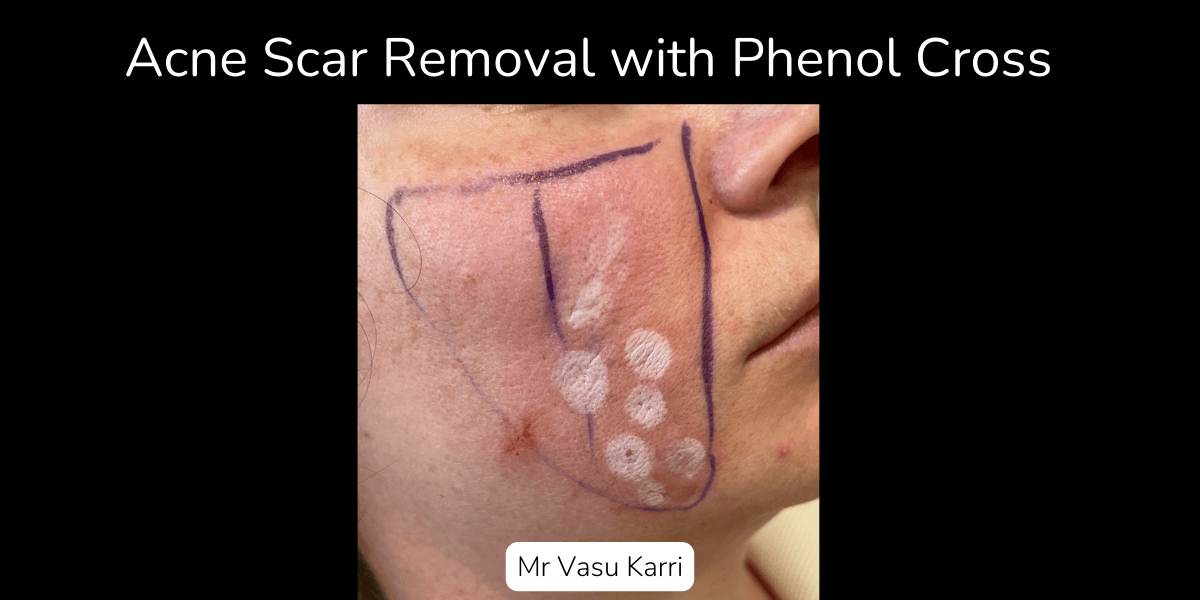
TCA peels usually reach the epidermis and upper dermis at medium strengths, depending on the concentration and application method. Medium-depth TCA protocols are often used for pigment disorders, acne scarring, and moderate wrinkles. For most facial concerns in the UK, TCA is considered deep enough while being more predictable in terms of healing and scarring risk.
Some modern systems combine both acids to produce a medium–deep effect while reducing the unpredictability of older phenol formulas. These so-called "phenol–TCA" or "phenol-like" peels try to balance depth and safety by limiting systemic absorption and building in self-neutralising features. Your practitioner will usually decide on depth based on skin type, Fitzpatrick classification, and history of scarring or pigmentation problems.
Phenol Peel vs TCA: What Do They Treat Best?
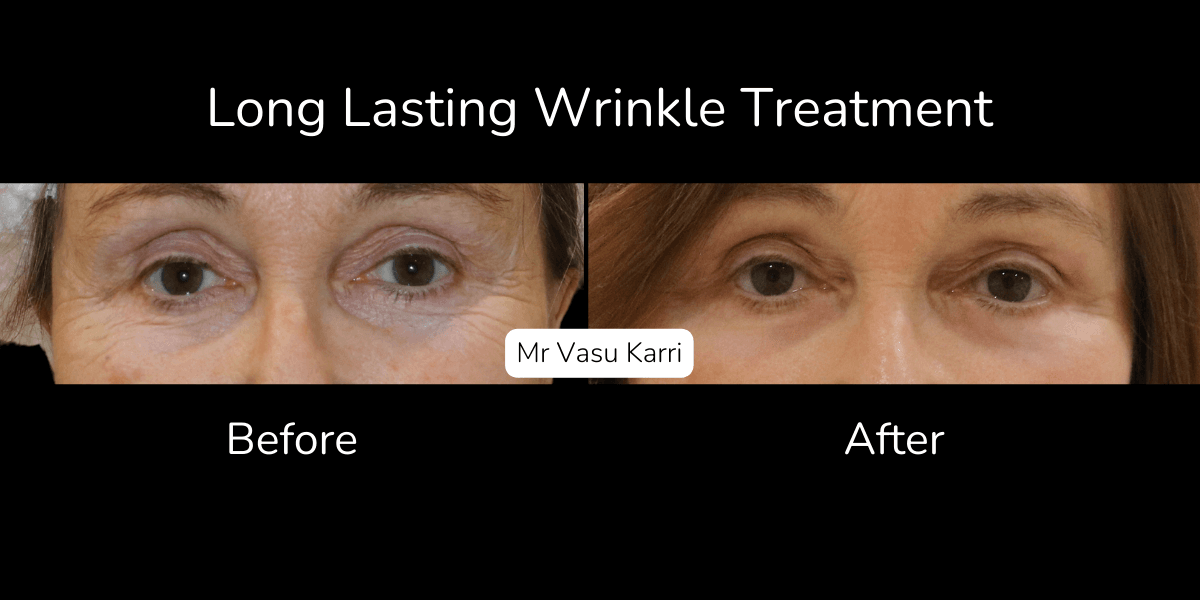
Different peels excel at different concerns. Phenol peels are most often chosen for deep wrinkles, severe sun damage, and sagging skin texture where a single treatment with dramatic, long-lasting results is desired. They tend to be used around the mouth, eyes, and full face in patients with advanced photoageing.
TCA peels are workhorse treatments for pigmentation disorders (including melasma), acne scars, moderate wrinkles, and uneven tone. They can be adjusted in strength and technique to suit individual skin types and are safer in a wider range of patients, including those with light-olive or Asian skin tones.
In a study comparing 30% TCA with phenol for melasma, TCA reduced severity scores by an average of 8.5 points versus 6.0 for phenol, and TCA had a lower complication rate.
Source – PubMed comparative trial on melasma treatment
Recovery and Downtime: Phenol vs TCA Peels
Recovery from a phenol peel is more intensive than from a medium-depth TCA peel. After a deep phenol procedure, you can expect around 10–14 days of visible crusting, tightness, and oozing, followed by weeks or months of redness that gradually fades. Many people take at least two weeks off work, and some avoid social events for longer while the skin matures.
A medium-depth TCA peel usually involves 5–7 days of peeling and crusting, with less dramatic swelling and redness. Lighter TCA peels may be even quicker to heal. The more controlled depth and shorter downtime are major reasons why TCA peels remain popular in UK aesthetic medicine.
In both cases, strict sun protection and gentle skincare are essential to avoid pigmentation problems and protect the new, fragile skin. Your practitioner will give you tailored instructions, but you should generally plan time away from intense UV, avoid swimming pools and saunas, and use prescribed ointments or creams.
Combined Systems: Modern Hybrid Peels
Some modern products combine phenol-like components with TCA to try to capture the benefits of both. These are described as self-neutralising, medium–deep combined peels for severe ageing, deep wrinkles, and dyschromia. They aim to provide a powerful rejuvenating effect while offering more control over depth than older-style deep phenol peels.
These systems are professional-only and used by trained clinicians. They are typically positioned between a medium TCA peel and a classic deep phenol procedure in terms of intensity and recovery time. For people in the UK seeking strong results but wary of full deep phenol risks, this kind of hybrid approach may be discussed during consultation.
Hybrid options do not remove the need for careful selection, especially for darker or sensitive skin. They still involve controlled chemical injury to the skin's upper layers, so strict aftercare and sun avoidance are essential to achieve good results and minimise complications.
Costs in the UK: Phenol Peel vs TCA Peel Pricing
Costs for deep peels vary widely across the UK, as they depend on the practitioner's expertise, the setting, and follow-up care. At Kinvara Private Hospital, a full-face phenol peel costs around £3000, with targeted areas such as lower eyelid wrinkles or perioral wrinkles priced at around £650. The pricing reflects the intensity of the procedure and the level of monitoring required throughout the process.
TCA peels, by contrast, often come in lower per-session. A single medium-depth TCA peel is usually priced below a deep phenol peel, though several sessions might be recommended to reach the desired outcome. Hybrid systems are generally positioned closer to specialist treatments and may be priced accordingly.
Because prices shift over time and by region, many clinics now offer detailed quotes only after assessing your skin in person or via video. A face-to-face discussion also lets you talk through how many days off work you can manage and what kind of improvement you are hoping to see in one treatment.
Who Is a Good Candidate for Phenol or TCA Peels in the UK?
Ideal candidates for phenol peels tend to have fair to light-medium skin, severe wrinkles or sun damage, and a willingness to accept longer downtime and higher risks for a more dramatic improvement. They should be in generally good health, without uncontrolled heart, kidney, or liver disease, and not prone to keloids or abnormal scarring.
TCA peels suit a wider group of people. Many UK patients with pigment concerns, acne scars, or early to moderate ageing changes will be considered for a medium-depth TCA peel before anything deeper is discussed. A detailed consultation covers your medical history, medication list (including isotretinoin use), previous procedures, and how your skin has reacted to treatments in the past.
If your skin is darker or you have a history of post-inflammatory hyperpigmentation, your practitioner may recommend gentler options or test spots before any strong peel. In the UK, it is sensible to seek a clinic where staff are experienced with your skin type and can show you before-and-after photographs of similar cases.
What to Expect During the Procedure and Aftercare
On the day of a phenol or TCA peel, your practitioner will clean your skin thoroughly and may use a pre-peel solution to remove surface oils. With deep phenol peels, you will often receive local anaesthetic injections, sedation, or both for comfort. TCA peels can sting or burn for several minutes, but most people tolerate them with simple cooling and a fan.
After the peel solution has done its work, it is either self-neutralising or removed by the practitioner, depending on the formula. Your skin will then be covered with ointment or a dressing. At home, you will usually be given written instructions about cleansing, moisturising, and sun protection, and told what warning signs—such as increasing pain, pus, or blistering—need rapid review.
Follow-up appointments are common after deep peels and sensible after medium-depth TCA. These allow your practitioner to monitor healing, advise on scar or pigment prevention, and gradually reintroduce active skincare such as retinoids or vitamin C when the skin barrier is ready.
FAQs: Phenol Peel vs TCA
1. Is a phenol peel better than TCA for deep wrinkles?
For very deep, etched wrinkles, especially across the lower face, a well-performed phenol peel can give a more dramatic one-off improvement than a typical TCA peel. That said, the risk profile and recovery are more intense, so many of you will still prefer staged TCA peels or combination treatments.
2. Can you have a phenol peel or TCA peel if you have had fillers or Botox?
Yes, but timing matters. Practitioners usually space strong chemical peels and injectable treatments by several weeks, and they will assess whether your previous treatments might affect peel depth or healing. Always mention any past procedures during consultation.
3. Which peel is less painful, phenol or TCA?
Deep phenol peels are more uncomfortable and almost always use some form of anaesthesia or sedation. Medium-depth TCA peels sting for a few minutes but are usually manageable with cooling, so most of you will find them easier to tolerate.
4. Are phenol and TCA peels safe around the eyes?
Both have been used around the eyes in experienced hands, often in modified concentrations or with special formulas. The skin here is thin and delicate, so this kind of treatment should only be done by clinicians with specific training in periocular peels.
5. Can you repeat a phenol peel or TCA peel?
Phenol peels are rarely repeated on the same area because the initial procedure is so deep. TCA peels, by contrast, are often done in courses or repeated yearly as part of a long-term skin plan, especially for pigmentation and acne scarring.
6. Which peel is better for freckles: phenol peel vs TCA?
Studies on facial freckles show both high-strength TCA and phenol can clear freckles well, though there can be temporary darkening afterwards. TCA is often preferred for more controlled, stepwise treatment, especially on UK skin types prone to pigment change.
7. Do phenol and TCA peels thin the skin?
Both remove the outer layers of skin, but they also stimulate new collagen formation, which can thicken and strengthen the dermis over time. The risk with very deep or repeated peels is that the skin may become more fragile, which is why planning and moderation are important.
Conclusion
Choosing between a phenol peel and a TCA peel means weighing strength against safety, and "big bang" results against downtime and risk. Phenol peels sit at the top end of intensity, offering powerful rejuvenation for deep wrinkles and advanced sun damage but requiring careful monitoring and longer recovery. TCA peels, especially at medium strengths, have a strong evidence base for pigmentation and texture problems, with a lower risk profile and shorter healing time.
For many of you in the UK, a structured course of TCA peels or a modern phenol–TCA system will provide a sensible balance of improvement, safety, and practicality. Discuss your goals, health background, and lifestyle with Mr Karri at Kinvara Private Hospital so that your phenol peel vs TCA discussion is based on your skin, not just the strength of the acid on the label.
Mr Karri's phenol peel practice draws patients nationwide, serving patients from major cities and towns across England, Scotland, and Wales:
Bedfordshire | Berkshire | Bristol | Buckinghamshire | Cambridgeshire | Cheshire | Cornwall | County Durham | Cumbria | Derbyshire | Devon | Dorset | East Sussex | Essex | Gloucestershire | London | Manchester | Hampshire | Herefordshire | Hertfordshire | Kent | Lancashire | Leicestershire | Lincolnshire | Merseyside | Norfolk | North Yorkshire | Northamptonshire | Northumberland | Nottinghamshire | Oxfordshire | Shropshire | Somerset | South Yorkshire | Staffordshire | Suffolk | Surrey | Tyne and Wear | Warwickshire | West Midlands | West Sussex | West Yorkshire | Wiltshire | Worcestershire | Birmingham | Leeds | Sheffield | Liverpool | Newcastle | Nottingham